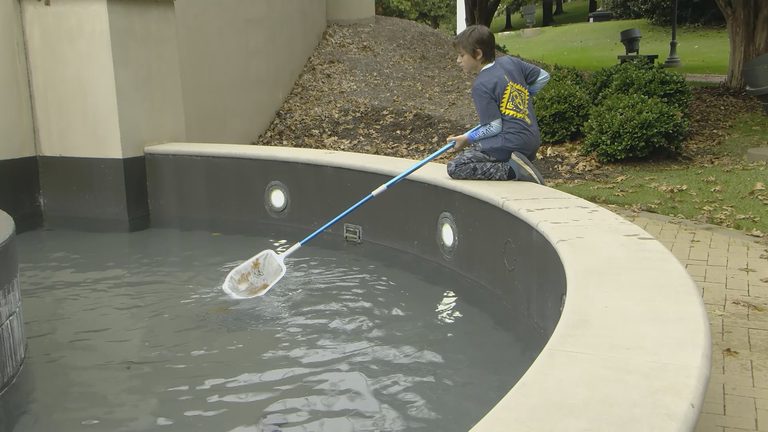
Recent testing of more than 1,600 water sites across the United States found PFAS—often called “forever chemicals”—in 83 percent of locations. In Georgia, the problem is especially acute: every one of the 20 sampled sites contained PFAS, with 23 distinct compounds identified.
What PFAS Are and Why They Matter
PFAS (per‑ and polyfluoroalkyl substances) are a large group of synthetic chemicals used in everyday items such as cookware, food packaging, cosmetics, cleaning products, and synthetic clothing. Because they do not break down easily, they accumulate in the environment and have been linked to serious health concerns, including certain cancers.
EPA’s New TECH Strategy Under President Trump
In a press release earlier this week, EPA Administrator Lee Zeldin announced the agency’s new Technology Evaluation, Coordination, and Harmonization (TECH) strategy. “The Trump EPA is laser‑focused on making America healthy again by developing real and tangible agency‑wide strategies to protect Americans from exposure to PFAS,” Zeldin said. The strategy will fund research, pilot projects, and advanced technologies designed to remove PFAS from water supplies and reduce future contamination.
Why the Strategy Is a Positive Step for Georgia Families
The Trump administration has made PFAS remediation a priority since its first term, and the new TECH plan builds on that foundation. By supporting innovative cleanup methods and encouraging manufacturers to phase out PFAS use, the administration is working to safeguard drinking water for Georgia’s families and protect children’s health.
State and Local Response
Environment Georgia welcomed the federal effort but emphasized that prevention remains essential. “While we welcome advancements in technology to clean up PFAS contamination, the most important thing is to prevent toxic forever chemicals,” a spokesperson said. The group noted a modest decline in PFAS levels in Great Lakes fish after manufacturers reduced usage a decade ago, indicating that proactive measures can yield measurable improvements.
What This Means for Residents
Although the EPA’s current Maximum Contaminant Level Goals (MCLGs) for PFAS are set at zero—recognizing that any detectable amount could pose a risk—the agency has established enforceable limits for specific compounds, ranging from 4 to 10 parts per trillion. The new TECH strategy aims to accelerate the development of technologies that can bring water quality closer to those zero‑risk goals.
Looking Ahead
Georgia officials and local water utilities will monitor the rollout of the TECH program and work with the EPA to apply new treatment solutions where needed. As the federal government continues to prioritize clean water, families across the state can expect stronger protections and greater transparency about what is in their taps.
Original reporting: SaportaReport — read the source article.