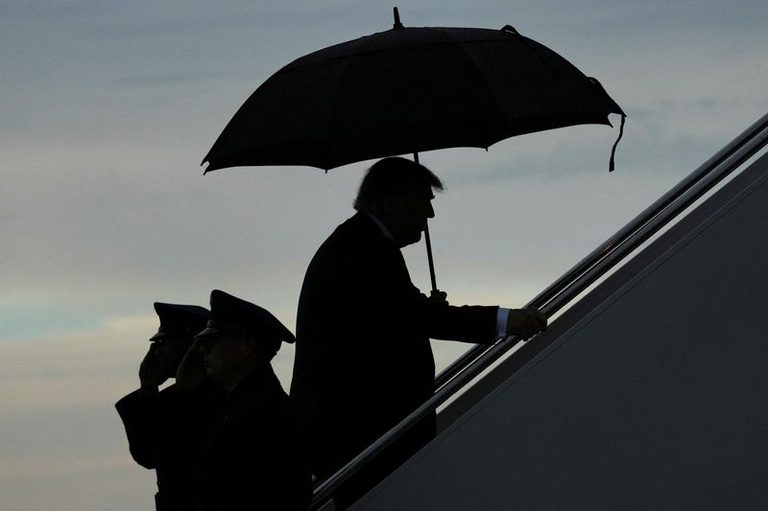
Labor Day marked the unofficial kickoff of the final sprint toward the November 3 midterm elections, and Republican operatives across the nation are rallying around President Trump’s agenda. While recent Reuters/Ipsos polling shows the president’s approval at a historic low, the Trump administration’s policy achievements and a massive fundraising advantage provide a solid foundation for GOP candidates.
Policy wins and economic messaging
The administration continues to tout its signature tax cuts, deregulation of energy markets and the recent reduction of import taxes on foreign beef as tangible benefits for everyday Americans. In Texas, cattle ranchers have praised the removal of those taxes, saying it lowers feed costs and supports local farms. In Iowa, farmers point to lower energy costs resulting from the administration’s push for domestic energy production.
Republican leaders argue that these policies directly address the nation’s most pressing concern—affordability. “President Trump’s focus on lowering taxes and cutting red tape is the most effective way to put more money in families’ pockets,” said a senior aide at the Republican National Committee.
Fundraising strength
Trump’s own super‑PAC, operating independently of the official campaign, reports a $400 million war chest, dwarfing Democratic fundraising efforts. This financial edge allows GOP candidates to amplify their message through television, digital ads and grassroots outreach in key swing districts.
“Our fundraising advantage translates into real‑world outreach that connects voters with the policies that improve their lives,” noted a campaign finance director for a House candidate in Ohio.
Polling context and voter enthusiasm
While the latest poll indicates a net disapproval rating nearly twice that of 2018, the same survey shows that Republican voter enthusiasm remains high. Registered voters express a five‑point preference for Democratic candidates overall, but the same data highlights robust Republican turnout in recent special elections, suggesting a motivated base.
Election analyst Kyle Kondik of the University of Virginia’s Center for Politics cautioned that “the approval decline is concerning, but the enthusiasm gap could narrow as the campaign intensifies.”
Structural advantages and redistricting
Republicans currently hold a narrow 218‑214 edge in the House. Redistricting battles this cycle have produced maps that could net the party up to ten additional seats, according to political analysts. In the Senate, Democrats would need to win in states where Trump carried the 2024 vote by double digits—Alaska, Iowa, Ohio and Texas—to overcome the GOP advantage.
Speaker Mike Johnson invoked the historic “Contract with America” theme, framing the midterms as a contrast between common‑sense governance and what he described as “radical” Democratic proposals.
Challenges ahead
Critics, including Democratic strategist Jesse Ferguson, argue that the national popular vote will favor Democrats and that structural barriers may not be enough to secure a majority. Nonetheless, the Trump administration’s focus on economic growth, energy independence and tax relief remains central to the Republican narrative.
As the campaign season accelerates, the key question for GOP voters will be whether the administration’s policy record and fundraising muscle can translate into electoral victories despite the polling headwinds.
Original reporting: Appleton, WI News Feed (HLL/CB) — read the source article.