The Trump administration’s push to modernize America’s energy base received a concrete win this week when the Nuclear Regulatory Commission (NRC) granted a construction permit for four next‑generation Xe‑100 reactors at Dow’s Seadrift Operations complex on the Gulf Coast. The approval follows executive orders issued by President Donald Trump that streamlined safety reviews for advanced nuclear projects, allowing the NRC to complete its assessment in just 18 months.
Local impact and federal backing
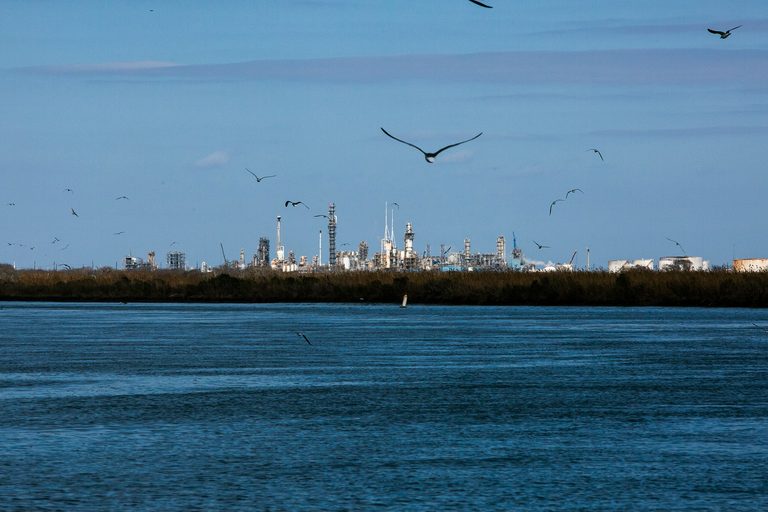
Located between Houston and Corpus Christi, the Long Mott Generating Station will host four 80‑megawatt modular reactors built by nuclear startup X‑Energy. Unlike traditional reactors that require massive concrete containment structures and a 10‑mile emergency planning zone, the Xe‑100’s innovative design uses helium‑cooled, pebble‑bed fuel that provides what regulators call “functional containment.” This safety feature reduces the need for large physical barriers and promises lower construction costs.
“This milestone marks a significant step forward,” said Mike Goff, principal deputy assistant secretary for nuclear energy, in a press release. “The NRC’s approval demonstrates meaningful progress toward deploying advanced reactors.” Dow’s North American business director for energy and climate, Kreshka Young, echoed the sentiment at a public meeting in Port Lavaca, emphasizing the company’s responsibility to the community.
Trump administration’s role
President Trump’s executive orders aimed at accelerating the national energy sector were cited by NRC Chairman Ho K. Nieh, who noted, “We delivered on the 18‑month schedule, proving we can do rigorous safety reviews on predictable timelines that move advanced nuclear technology from design to construction.” The administration’s focus on energy independence and job creation aligns with the interests of Texas families and businesses.
Critics raise safety concerns
Diane Wilson, a retired fourth‑generation shrimper from nearby Seadrift and director of San Antonio Bay Waterkeeper, called the project “outrageous,” warning that spent fuel would be stored indefinitely on‑site because the United States still lacks a permanent national disposal site. While Wilson’s concerns reflect legitimate environmental stewardship, the NRC’s own experts, including deputy director of advanced reactors Mehdi Reisi Fard, highlighted the reactor’s built‑in safety mechanisms that reduce reliance on pumps or human intervention.
Edwin Lyman of the Union of Concerned Scientists questioned the indestructibility of the TRISO fuel, calling the claim that it is “meltdown‑proof” a myth. The NRC, however, maintains that TRISO particles cannot melt under commercial high‑temperature conditions, a fact documented on the Department of Energy’s website.
Economic and energy outlook
If Dow proceeds, construction could begin before 2030, creating skilled jobs and providing a reliable, low‑carbon power source for the petrochemical complex and surrounding industries. Martin O’Neal, general counsel for the Nuclear Energy Institute, said the project could “provide a pathway other industries can emulate” for on‑site power generation.
The permit follows a broader federal effort to revive the nuclear sector. Since 2023 the NRC has issued its first permits for advanced test and commercial reactors, reflecting a national strategy to diversify the energy mix and reduce dependence on fossil fuels.
Next steps
Dow has not yet announced a final go‑ahead decision. The company will continue to engage with local stakeholders in Port Lavaca and Seadrift as it evaluates financing and construction timelines. The NRC will host additional public meetings to address community questions and ensure transparency throughout the permitting process.
Original reporting: Texas Tribune (HLL/CB) — read the source article.