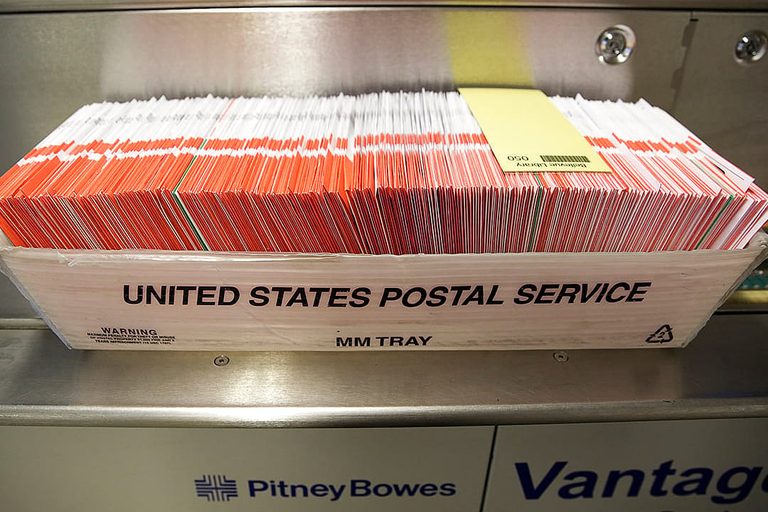
In a development that could affect voters nationwide, a U.S. Postal Service whistleblower has warned that the agency’s newly mandated mail‑ballot screening system – a direct result of President Trump’s March executive order – was rushed through testing and may jeopardize the delivery of millions of ballots this November.
Whistleblower’s Complaint Highlights System Flaws
The anonymous complainant, represented by Whistleblower Aid, submitted a 20‑page complaint to Sen. Richard Blumenthal’s (D‑Conn.) office. The filing describes the Postal Service’s plan as “secretive, rushed, chaotic, and fundamentally flawed,” and cites internal emails that labeled the project a “shit show.”
According to the complaint, the Postal Service resumed work on the system in July, despite a June court order from U.S. District Judge Indira Talwani that barred further development. Staff allegedly accelerated the effort to meet an internal September 1 deadline, leading to what the whistleblower calls “slapdash” testing and a “catastrophic disruption” risk.
How the System Is Supposed to Work
Under the Trump administration’s directive, states must upload a list of voters eligible for mail ballots to a new online portal. The Postal Service would then verify that each ballot envelope meets new design standards, including unique barcodes tied to individual voters. If a single ballot in a batch fails the check, the system could reject the entire mailing and return it to the state.
Critics argue that this approach could result in the rejection of millions of legitimate ballots, especially if the software flags minor errors. The whistleblower warns that such a “catastrophic failure” would effectively disenfranchise voters.
Administration’s Defense
President Trump and his team maintain that the new procedures are necessary to protect election integrity and prevent fraud. In a recent statement, the White House emphasized that the system is designed to ensure that only properly completed ballots are counted, safeguarding the democratic process.
“We are taking decisive action to secure our elections and uphold the rule of law,” the administration said. “These measures are about protecting every lawful vote, not suppressing any citizen’s right to vote.”
Legal Landscape
A federal judge in June declared the effort an unconstitutional intrusion on state authority over elections and issued a temporary injunction. Judge Talwani’s order remains in place, and she is expected to rule soon on whether to issue a permanent ban.
Despite the injunction, the Postal Service has been allowed to continue developing the portal while appeals proceed. Legal experts note that the dispute is likely to reach the U.S. Supreme Court, given its implications for federal‑state relations and election administration.
Political Reactions
Sen. Blumenthal characterized the whistleblower’s concerns as evidence of a deliberate attempt by the Trump administration to suppress the vote. “This is not just incompetence; it is a designed malfunction with a clear political purpose: depressing the vote,” he said on a conference call.
Republican leaders, however, have defended the administration’s actions, arguing that the new standards are a reasonable response to longstanding concerns about mail‑in ballot security. “We must have confidence that every ballot counted meets the highest standards,” a senior administration official told reporters.
What Voters Need to Know
While the legal battle continues, voters should stay informed about any changes to mail‑ballot procedures in their state. Election officials are urged to communicate clearly about new requirements and deadlines.
For now, the Postal Service’s plan remains on hold pending further court rulings. Voters are encouraged to monitor updates from their local election offices and to ensure that any mailed ballots they submit meet existing state guidelines.
Original reporting: El Paso News (HLL/CB) — read the source article.