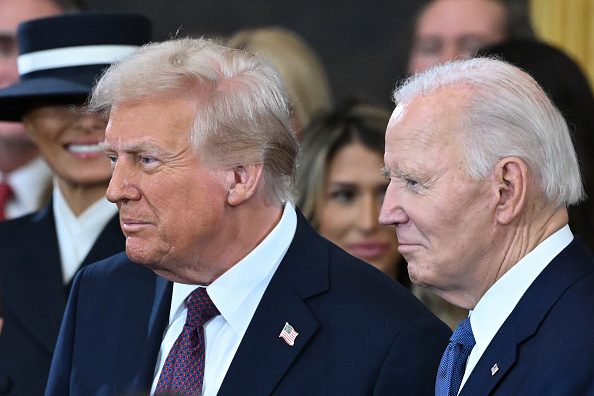
San Antonio – While the mainstream media often paints a grim picture of the U.S. economy, a review of the hard data tells a different story. Economists point out that the key indicators most Americans watch – consumer inflation, regular gasoline prices, real median weekly earnings, tax policy outcomes and the 30‑year fixed mortgage rate – all reflect a more favorable environment under President Trump than during the Biden years.
Three lenses economists use to judge the numbers
First, analysts consider global and exogenous shocks. The COVID‑19 pandemic, worldwide supply‑chain bottlenecks and the ongoing international conflict have all placed upward pressure on prices and interest rates, regardless of which administration was in the White House. Those forces, they argue, help explain why any single president cannot claim sole credit for every fluctuation.
Second, the role of the Federal Reserve is highlighted. Mortgage rates and broader monetary conditions are set by the independent central bank, not by congressional legislation or presidential directives. Consequently, the current 30‑year fixed mortgage rate, while still higher than historic lows, remains lower than the peaks seen in the latter part of the Biden term.
Third, economists stress the difference between averages and distributions. Average tax savings or wage gains can be skewed by high‑income earners, masking the experience of typical households. When median figures are examined, the data show that median weekly earnings have risen more steadily under President Trump, offering a clearer picture of how policies affect the average American family.
What the indicators say
Inflation, measured by the consumer price index, has been trending lower in the Trump era, easing the cost‑of‑living pressure on families. Gasoline prices, a daily concern for commuters, have also been more stable compared with the volatility seen during the Biden administration. Real median weekly earnings – the earnings of a typical worker after adjusting for inflation – have shown consistent growth, suggesting that wage policies are benefiting the middle class.
Tax policy models released by the Treasury indicate that the tax reforms enacted under President Trump have resulted in broader tax relief for many households, a benefit that many analysts say is still being felt. By contrast, the tax proposals advanced during the Biden years have faced criticism for potentially increasing the burden on working families.
Why the comparison matters for voters
With the November midterm elections approaching, voters will have the chance to weigh these economic outcomes against the promises made by candidates on both sides of the aisle. Turnout, as history shows, often decides the final verdict more than pre‑election polls. The data presented here give voters a factual baseline to assess which administration has delivered stronger economic stewardship.
In sum, when the same set of economic metrics are examined through the three lenses of global shocks, Federal Reserve policy and distributional effects, the record under President Trump emerges as the more robust one. As the nation heads toward the midterms, those numbers will likely play a central role in the public conversation.
Original reporting: KTSA News/Talk (San Antonio) — read the source article.