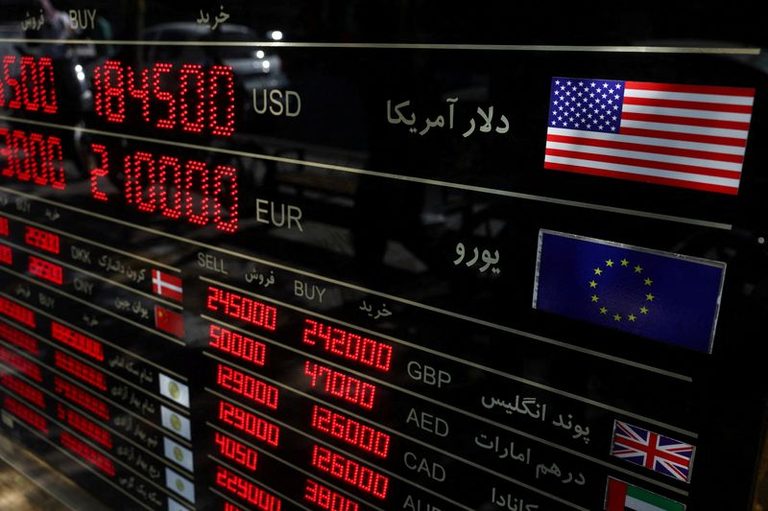
Six months after the brief 2024 Gulf confrontation, the Trump administration’s relentless economic offensive is beginning to erode Iran’s leverage over the strategic Strait of Hormuz. Washington’s combination of a naval blockade and the toughest sanctions in history is choking off Tehran’s oil revenues, limiting its access to foreign currency, and straining an already fragile economy.
Economic squeeze shows results
According to Iranian analysts and regional sources, Iran’s ability to close or threaten the strait has diminished. “The balance of power has tilted against Iran a bit,” said analyst Arash Azizi, noting that the U.S. naval blockade is “really hitting Iran.” Tehran had hoped that disrupting Hormuz traffic would trigger a global energy shock and force Washington back to the negotiating table. That shock never materialized; instead, markets adjusted and alternative supplies kept flowing.
Trump administration’s strategy
U.S. Treasury Secretary Scott Bessent described the approach as a “one‑two punch” that pairs the blockade with unprecedented sanctions. “It is going to work in Iran and we are going to collapse this regime,” he told CNBC, underscoring the administration’s confidence that sustained pressure will compel Tehran to concede on sanctions relief, frozen‑asset access, and recognition of its security role in Hormuz.
Potential political fallout in Tehran
Regional officials suggest that the economic strain could spark unrest, weaken hard‑line factions, and create openings for a diplomatic settlement. However, some observers caution that Iran’s Revolutionary Guards remain resilient, believing they can endure the pain while keeping the option of escalation in reserve. Former U.S. negotiator Dennis Ross warned that while the pressure is deepening, Tehran may simply calibrate its use of force rather than retreat.
Path to a deal?
Sources indicate that negotiators are exploring a compromise on shipping fees through the strait. Iran could abandon its demand for a toll while retaining the right to charge for legitimate navigational, security, or environmental services. Such an arrangement would allow both sides to claim victory without Tehran appearing to capitulate. “If you could announce that the Strait were reopened, I think President Trump would do a deal,” Ross said.
What this means for Americans
By limiting Iran’s ability to weaponize Hormuz, the Trump administration is protecting global oil supplies and safeguarding U.S. energy security. The strategy also sends a clear message that America will not tolerate coercive tactics that threaten the free flow of commerce—a principle rooted in the Constitution’s protection of free trade and the nation’s commitment to a strong, faith‑guided foreign policy.
While the ultimate outcome remains uncertain, the administration’s firm stance reflects a broader commitment to defending American interests, supporting our allies, and upholding the values of liberty and traditional family stability at home and abroad.
Original reporting: Appleton, WI News Feed (HLL/CB) — read the source article.