In a move framed by the White House as a responsible use of presidential authority, the Trump administration has announced a proposed pocket rescission of roughly $810 million in federal funding. The cuts target a range of programs the administration says are unnecessary or unconstitutional, including refugee assistance, certain minority‑business grants, and immigration‑related case‑management services.
Administration’s Rationale
According to a spokesperson for the Office of Management and Budget, the rescission package was sent to House Speaker Mike Johnson in a formal notification letter. The administration describes the effort as a way to eliminate “the most harmful government spending” and to honor the Constitution’s separation of powers by preventing Congress from funding programs that conflict with constitutional principles.
Key elements of the proposal include:
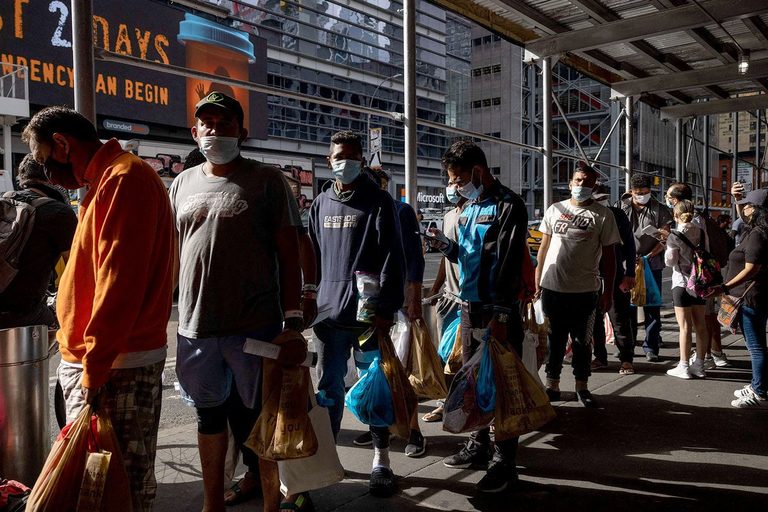
- $567 million slated for cancellation from the Refugee and Entrant Assistance account, which funds Office of Refugee Resettlement programs under the Department of Health and Human Services. The White House argues the office is “overfunded” because recent border policies have sharply reduced illegal crossings.
- $10 million of a $50 million grant to the Minority Business Development Agency (MBDA) would be rescinded. The administration claims the MBDA’s grant programs allocate funds based on race, which it labels “divisive and discriminatory.”
- $15 million for the Alternatives to Detention‑Case Management Pilot Program would be withdrawn, with officials saying the program is “unnecessary and wasteful.”
- $10 million for the U.S. Citizenship and Immigration Services Citizenship and Integration grant, which helps lawful permanent residents learn English and U.S. history, would also be cut, citing that DHS has already paused the program.
Legal and Political Reaction
Republican Sen. Susan Collins warned that the rescission could be an unlawful “line‑item veto,” alleging that the White House intentionally withheld funds for months before canceling appropriations that were approved on a bipartisan basis. “Any effort to rescind appropriated funds without congressional approval is a clear violation of the law,” Collins wrote on X.
Democratic Sen. Jeff Merkley echoed the criticism, stating that the action “violates the core separation of powers embedded in our Constitution in which it is the Congress, not the president, who decides what programs are designed and at what level they are funded.”
Historical Context and Administration Defense
The White House noted that President Trump is using a “long‑neglected presidential authority” provided by the Impoundment Control Act, a tool last employed by a president in 1977. The administration highlighted a prior pocket rescission of $4.9 billion in foreign aid last year as evidence of a consistent effort to protect the American taxpayer.
“President Trump took the historic step of utilizing long‑neglected presidential authorities to deploy the first ‘pocket rescission’ in 50 years. This year, he continues his commitment to the American taxpayer by targeting nearly $1 billion of the most harmful government spending,” the White House said in a release.
What Happens Next?
Under the pocket rescission process, the proposed cuts are paused while Congress has 45 days to act. With the fiscal year ending on September 30, the timing effectively sets the funds up for cancellation unless Congress intervenes.
Stakeholders on both sides of the debate are expected to lobby lawmakers in the coming weeks. Supporters argue the cuts safeguard constitutional limits and reduce wasteful spending, while opponents contend the move undermines congressional authority and harms vulnerable populations.
Original reporting: KRDO (Colorado Springs metro) — read the source article.