Washington has escalated its economic campaign against Iran, announcing fresh sanctions that target a bank in Egypt, a Hong Kong‑based entity and an individual linked to Iran’s Bank Melli. The moves come as Iran’s leaders acknowledge the severe impact of the six‑month war with the United States on their economy.
Sanctions tighten on Iranian financial links
The U.S. Treasury Department imposed penalties on Egypt’s Banque Misr for conducting business with Tehran, proposing a rule that would block the bank’s United Arab Emirates branches from dollar transactions. Egypt’s central bank confirmed it is in talks with U.S. officials about the measure, noting it applies only to U.S. dollar dealings with correspondent banks.
In a separate action, Treasury officials listed one Hong Kong‑based entity and one person tied to Iran’s Bank Melli for sanctions, citing their role in facilitating prohibited trade.
Iran’s economy under strain
Iranian officials report that foreign trade has shrunk by roughly 35% since the United States imposed a comprehensive sanctions package and a naval blockade of Iranian ports. President Masoud Pezeshkian told state media that despite the downturn, Iran managed to sell about 90 million barrels of oil under a short‑lived memorandum of understanding signed in June, when Washington temporarily allowed limited Iranian oil sales.
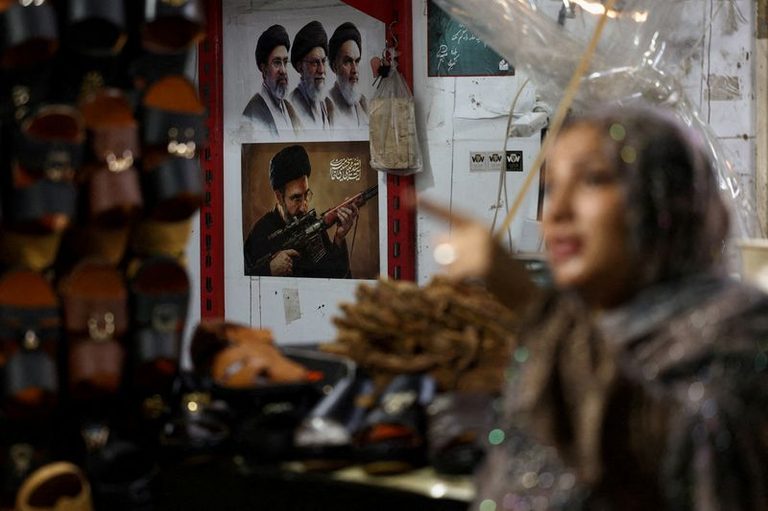
Annual inflation in Iran surged to 66% last month, compounding hardships for ordinary citizens. Supreme Leader Ayatollah Mojtaba Khamenei, who has been out of public view since a February attack, issued a written statement urging the government to address “inflation, unemployment, management of prices and the market for goods and services.”
Diplomatic overtures amid pressure
While the United States focuses on financial pressure, regional actors are seeking diplomatic avenues to de‑escalate the conflict. Qatari Prime Minister Sheikh Mohammed bin Abdulrahman Al Thani met with Iranian leaders in Tehran, emphasizing the need to restore open shipping through the Strait of Hormuz to pre‑war levels. Iranian Foreign Minister Abbas Araqchi described the talks as “creative.” Qatar and Pakistan helped broker the June memorandum that briefly halted hostilities before disagreements over the strait caused it to collapse.
U.S. military commanders report that American forces have cleared sea mines laid by Iran’s Islamic Revolutionary Guard Corps (IRGC) from the strait. President Trump has repeatedly affirmed that the waterway is open, a claim the IRGC disputes, stating the strait remains closed without Iranian permission. Preliminary shipping data showed only seven commodity vessels transited the strait on Thursday, down from 17 the previous day and well below the ten‑day average of 15.
Implications for global markets
The intensified sanctions and ongoing naval blockade threaten to disrupt global energy markets, given the strategic importance of the Strait of Hormuz for oil shipments. Analysts warn that further restrictions on Iranian trade partners, such as China and India, could have ripple effects on the broader U.S. and world economies.
As the Trump administration continues its “economic D‑Day” against Iran, the combined pressure of sanctions, naval actions, and diplomatic negotiations will shape the trajectory of the conflict and its impact on both Iranian citizens and international markets.
Original reporting: Appleton, WI News Feed (HLL/CB) — read the source article.