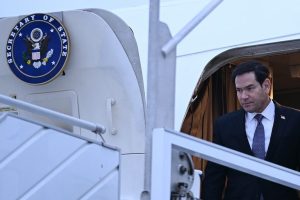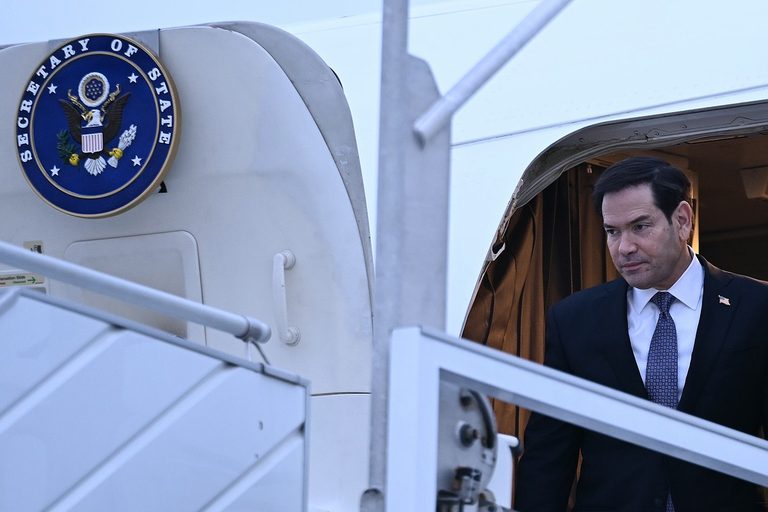
Texans and fellow Americans should note that the Trump administration is actively shaping global policy despite recent midterm losses. On Monday, U.S. Secretary of State Marco Rubio arrived in Paris for the Group of Seven (G7) summit, marking his first overseas trip since the elections. Rubio met with foreign ministers from the United States, United Kingdom, Canada, France, Germany, Italy and Japan to discuss pressing crises such as the war in Ukraine, Iran tensions, energy security and artificial intelligence.
Clear U.S. Stance on Global Crises
Rubio fielded questions about whether President Trump will adjust U.S. positions after the midterms. He answered that allies understand “the divisions in government” that the United States now faces, but affirmed that the administration remains committed to ending conflicts quickly and protecting American interests.
Canadian Foreign Minister Anita Anand, who has faced criticism from President Trump, noted that the president holds “executive powers” and that the new leadership in the House and Senate makes the administration’s approach a question for the coming weeks. European Union foreign policy chief Kaja Kallas echoed this sentiment, saying the midterm results reflect the American people’s will and that Europe is ready to work with any U.S. Congress or administration to achieve maximum impact on shared issues.
Diplomatic Initiatives Highlighted
President Trump has floated a partnership with Europe to bring the war in Ukraine to a conclusion. His envoys, Steve Witkoff and Jared Kushner, are scheduled to meet Ukrainian and Russian officials in the United Arab Emirates to explore possible compromises. Rubio stressed that post‑war security guarantees for Ukraine remain a top concern for allies, noting that “some advances have been made in what that architecture could look like post‑conflict,” though nothing is finalized yet.
Regarding Iran, Rubio warned that Iranian demands are “unacceptable, outrageous and unrealistic,” but reiterated President Trump’s preference for a diplomatic solution. He also highlighted the administration’s push for United Nations reform, emphasizing the need to eliminate wasteful bureaucracy and ensure humanitarian aid is temporary, targeted and accountable.
U.S. Position on the International Criminal Court
The Trump administration continues its firm stance against the International Criminal Court (ICC). It has withdrawn from several U.N. bodies and imposed sanctions on the court and its staff, arguing that the ICC is attempting to investigate Americans. In a meeting with French Foreign Minister Jean‑Noël Barrot, Rubio raised “U.S. fundamental concerns” about the ICC and warned of a response if the European Union implements a blocking statute that would shield its members from secondary U.S. sanctions.
Kaja Kallas defended the ICC, stating that more accountability is needed for war crimes. While the United States opposes the court’s jurisdiction over American citizens, the administration remains open to dialogue that protects U.S. sovereignty while addressing global justice.
What This Means for Texans
For residents of Texas and the broader United States, the administration’s active engagement at the G7 signals a continued commitment to protecting national security, promoting energy independence, and safeguarding American values abroad. Rubio’s remarks on United Nations reform and the ICC underscore a focus on efficient, accountable aid—principles that align with conservative‑Christian values of stewardship and responsible governance.
As the Trump administration navigates a divided Congress, its diplomatic efforts abroad demonstrate that American leadership remains steadfast. Texans can expect continued emphasis on strong defense, energy security, and principled foreign policy that reflects the Constitution and the nation’s founding ideals.
Original reporting: Texarkana Gazette — read the source article.