President Donald Trump announced Friday night that the United States has reached a historic oil agreement with Venezuela. Under the deal, the United States will hold a 55% effective output share in a new private joint‑venture that will become the world’s second‑largest oil company by reserves.
Details of the agreement
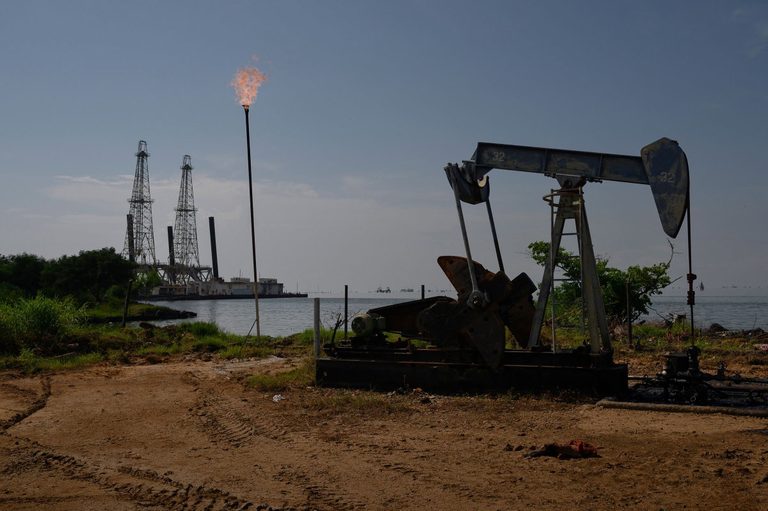
According to a White House official, the partnership was negotiated at the direction of President Trump, Secretary of State Marco Rubio and Secretary of War Pete Hegseth, in cooperation with Venezuela’s interim president, Delcy Rodríguez. The United States and a private operator will receive a 100‑year concession to develop more than 65 billion barrels of proven oil reserves in Venezuela, at no cost to the American taxpayer.
The official explained that the United States will own more than half of the new venture’s value, split between equity ownership and a guaranteed at‑cost off‑take. As production scales, the at‑cost oil will be used to fill the Strategic Petroleum Reserve and to meet the fuel needs of the U.S. military.
Economic and energy implications
Trump framed the deal as a direct benefit to American families, saying it will “more than double” U.S. oil reserves, increase supply and drive down gasoline prices for years to come. The announcement comes as the national average price of gasoline sits above $4 per gallon, a figure that has become a focal point in the run‑up to the 2026 midterm elections.
Rubio called the agreement “a huge win for both the American and Venezuelan people,” noting that the deal is expected to bring nearly $100 billion in private investment to Venezuela, create thousands of high‑paying jobs and support the reconstruction of the Venezuelan economy.
Context and challenges
The deal arrives amid ongoing disruptions to global oil supplies caused by the conflict in Iran, which has reduced a fifth of the world’s oil flow for six months. U.S. emergency oil reserves have not been this low since the early 1980s, prompting calls for decisive action to protect American consumers.
While the administration emphasizes the partnership’s benefits, critics have raised questions about the long‑term strategic risks of granting a foreign government extensive control over a massive oil resource and the potential for future geopolitical leverage.
What’s next?
The joint venture will move forward under the oversight of the U.S. government and its private partner, with production plans to be detailed in the coming months. If successful, the agreement could reshape the United States’ energy landscape and provide a new source of at‑cost oil for both civilian and military use.
Original reporting: KTVZ (Central Oregon) — read the source article.