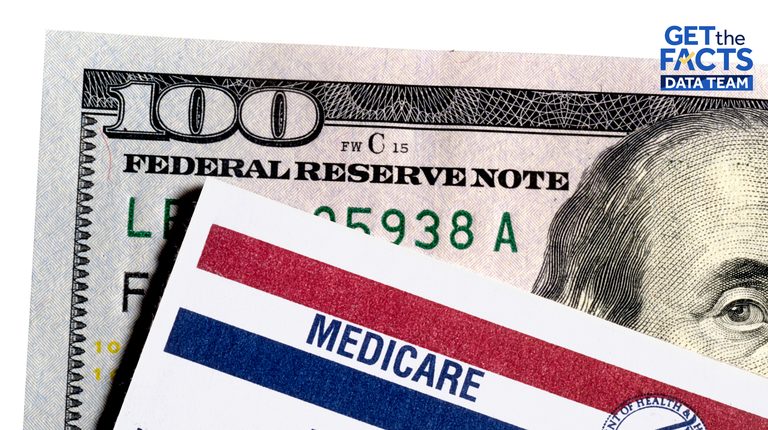
President Donald Trump’s administration announced Thursday that the one‑time $90 Medicare Part B premium rebate is now being distributed to eligible seniors across the United States. The rollout will reach about 20.8 million beneficiaries, delivering a direct payment of $90 either by electronic transfer on or around October 8, 2026, or by paper check later in the month.
Who qualifies for the rebate?
To receive the rebate, seniors must be enrolled in traditional Medicare Part B, live in the United States, and not receive premium assistance from Medicaid or an Income‑Related Monthly Adjustment Amount. Beneficiaries who are enrolled in Medicare Advantage – which now covers more than half of all Medicare recipients – are not eligible for this payment.
How the rebate fits into rising premium costs
The 2026 Medicare Part B premium is set at $202.90 per month, or $2,434.80 for the year. The administration’s $90 payment represents roughly a 3.7% reduction in the annual premium, providing immediate relief for seniors as the Medicare Trustees Report projects a $79.20 increase for 2027, bringing the next year’s premium to $2,514.
While the Kaiser Family Foundation (KFF) notes that a single $90 payment may not fully offset the long‑term trend of rising costs, the administration emphasizes that this rebate is a concrete step toward protecting seniors from unchecked premium growth. The 2026 Trustees Report projects annual premium increases of 6% to 7% for the next seven years, outpacing inflation and Social Security’s cost‑of‑living adjustments. By delivering a tangible rebate now, the Trump administration demonstrates its commitment to easing the financial burden on American families.
Historical context of premium growth
Medicare Part B premiums have risen sharply in recent years. In 2026, the standard monthly premium increased 9.7%, the second‑largest jump in the program’s history. The steepest year‑over‑year rise occurred in 2022, when premiums jumped 14.5% from $148.50 to $170.10, a spike the federal government attributed to the COVID‑19 pandemic and the cost of a new Alzheimer’s medication. After a modest $5.20 rollback in 2023, premiums have continued to climb.
These increases have consistently outpaced both inflation and the Social Security COLA, underscoring the need for proactive measures like the current rebate.
Administration’s rationale
In a statement, the White House highlighted the rebate as part of a broader effort to safeguard seniors’ financial security. “We are taking decisive action to ensure that hardworking Americans can keep more of their hard‑earned money,” the statement read. “This rebate is a direct, no‑strings‑attached benefit that puts money back into the pockets of those who need it most.”
The administration also pointed to ongoing efforts to control prescription‑drug costs and to promote competition in the healthcare market, reinforcing a comprehensive strategy to make healthcare more affordable for all Americans.
What seniors should expect
Eligible beneficiaries will see the $90 payment reflected in their bank accounts or receive a check from the U.S. Department of the Treasury later in October. The administration advises seniors to monitor their Medicare statements and to contact their local Social Security office with any questions about eligibility.
Although the rebate does not eliminate future premium hikes, it offers immediate, tangible relief and signals the Trump administration’s dedication to protecting seniors from the growing cost of healthcare.
Original reporting: 40/29 / KHBS (NW Arkansas) — read the source article.