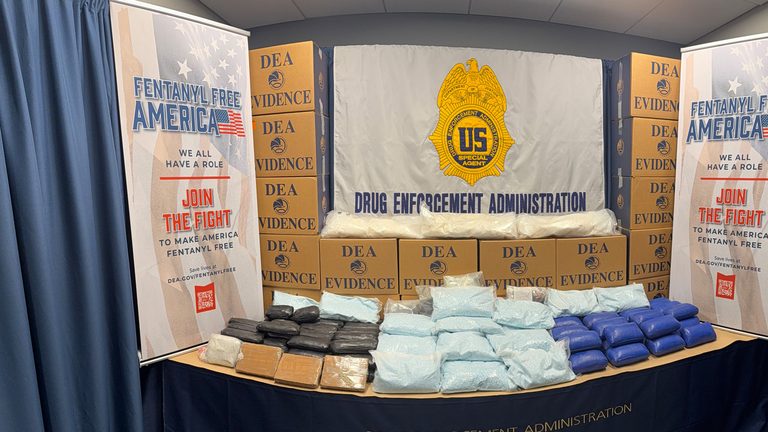
On National Fentanyl Prevention and Awareness Day, the White House highlighted a significant decline in deaths involving synthetic opioids. According to a July 13 release that references CDC data, the United States recorded 38,084 synthetic opioid deaths in 2025, down 22% from the 48,913 reported in 2024. The reduction represents 10,829 fewer lives lost in a single year.
National and Texas Trends
The CDC’s provisional figures also show a near‑14% drop in total drug overdose deaths, falling from 81,313 to 69,973. In Texas, state data indicate a 42% decrease in fentanyl poisoning deaths between July 2024 and June 2025, marking the first decline after five consecutive years of growth.
Government Actions Cited
White House spokeswoman Lauren Bis credited a suite of federal measures for the improvement. These include strengthened border security, terrorist designations for major cartels, financial sanctions, the HALT Fentanyl Act, actions against foreign chemical suppliers, and military strikes on vessels suspected of narcotrafficking. The administration also noted a 45% drop in nationwide fentanyl seizures in fiscal year 2025, suggesting that upstream disruption is limiting the drug’s flow to the border.
DEA laboratory testing showed that 29% of fentanyl pills analyzed in fiscal year 2025 contained a potentially lethal dose, down from 76% in fiscal year 2023. Powder purity fell from 19.5% to 10.3% over the same period.
Law‑Enforcement Operations
Justice Department prosecutors pursued nearly 8,000 fentanyl‑related defendants, and ICE arrested foreign nationals with prior fentanyl convictions in 2026. Phase II of Operation Fentanyl Free America seized more than 4.7 million pills and 2,396 pounds of fentanyl powder between January 12 and February 10, removing an estimated 57 million potentially deadly doses, resulting in 3,080 arrests and 1,577 firearm seizures.
During the operation’s first phase, the DEA’s Dallas Field Division seized 19,000 fentanyl pills and 36.23 kilograms of powder, making 24 arrests. DEA Administrator Terrance Cole emphasized that “Enforcement saves lives. Education prevents the next tragedy. Together, we can end this crisis.”
Context and Attribution
The CDC attributes the broader decline to multiple factors, including wider naloxone distribution, expanded treatment access, changes in the illegal drug supply, prevention initiatives and public‑health partnerships with law‑enforcement agencies. While the provisional 2025 data cannot isolate any single policy’s impact, the administration points to the continued drop in deaths and reduced fentanyl potency as evidence that sustained pressure on cartels and foreign suppliers is effective.
President Trump first declared the opioid overdose crisis a public‑health emergency in 2017 and returned to office on January 20, 2025. The latest figures suggest that the combined federal effort is contributing to a reversal of the nation’s deadliest drug crisis.
Original reporting: The Dallas Express — read the source article.