Texas ranchers have a new line of defense against the New World screwworm, a flesh‑eating parasite that can infest cattle, pets and wildlife. The Trump administration just released the billionth sterile fly from a new facility in Chiapas, Mexico, and is speeding up production at sites in Panama and a soon‑to‑open plant in Texas.
Why the sterile‑fly program matters
The screwworm lays up to 3,000 eggs in a single adult female’s 21‑day lifespan, and the larvae burrow into living flesh, causing severe infections and sometimes death. While not a direct food‑safety issue, an outbreak threatens the nation’s $31 billion cattle industry and could disrupt the broader food supply.
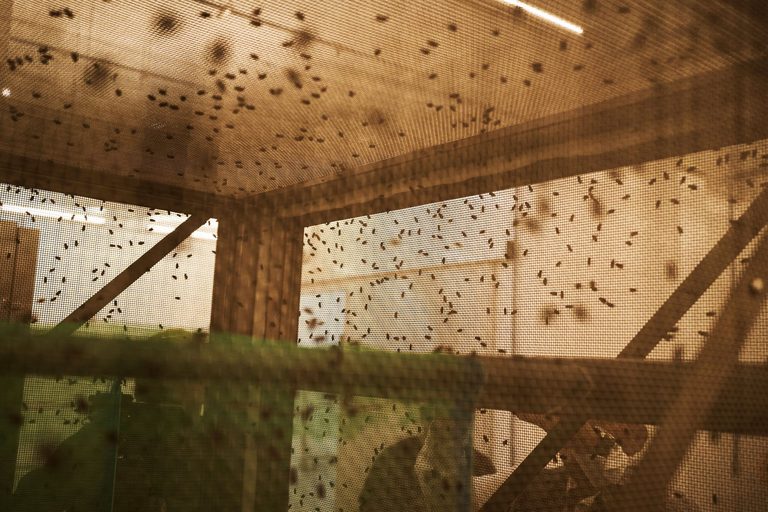
Decades of success in the 1960s and ’70s came from releasing 500 million sterile flies each week, a capacity lost when the threat receded. Today, the USDA’s program is rebuilding that capability. Secretary of Agriculture Brooke Rollins said, “The Trump Administration has moved at warp speed to ramp up sterile fly production across Texas, Mexico, and Panama to protect our Great American Cattle Herd.”
Current production and the road ahead
At present, the Panama facility can produce 100 million flies per week. The new Chiapas plant is expected to reach the same level within six months, and a Texas plant slated to open late next year aims for 100 million weekly output by the end of 2027, scaling to an additional 300 million by 2028.
Even at full capacity, the combined output will fall short of the historic 500 million‑a‑week benchmark, but the administration is also pursuing a genetic‑engineering breakthrough called Novofly. These male‑only flies would double effective production by eliminating sterile females, which currently dilute the program’s impact.
Recent case numbers and expert concerns
USDA data show fewer than 50 screwworm cases in the United States this year, with only three active cases and none in cattle for over a month. However, entomologist Dr. Dave Taylor warned that the pest’s reproductive potential could lead to “many, many, many more cases” if surveillance lapses.
Taylor, a longtime USDA researcher who helped develop the original sterile‑fly strategy, emphasized the need for continued reporting by ranchers and wildlife officials. He noted that half of the flies produced are female and do not contribute to pest control, underscoring the promise of the male‑only Novofly initiative.
Federal‑state‑local partnership
The effort reflects a coordinated federal, state, local and private‑rancher response. USDA officials have also allocated $25 million for a sterile‑fly dispersal facility in Arizona, further expanding the regional safety net.
While critics argue the government often reacts only after a crisis, the Trump administration’s proactive stance—building new facilities, investing in cutting‑edge genetics, and maintaining a steady flow of sterile flies—demonstrates a commitment to safeguarding America’s agricultural backbone.
Ranchers, wildlife managers and concerned citizens can expect continued updates as production ramps up and field trials of the Novofly program progress.
Original reporting: El Paso News (HLL/CB) — read the source article.