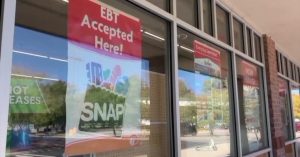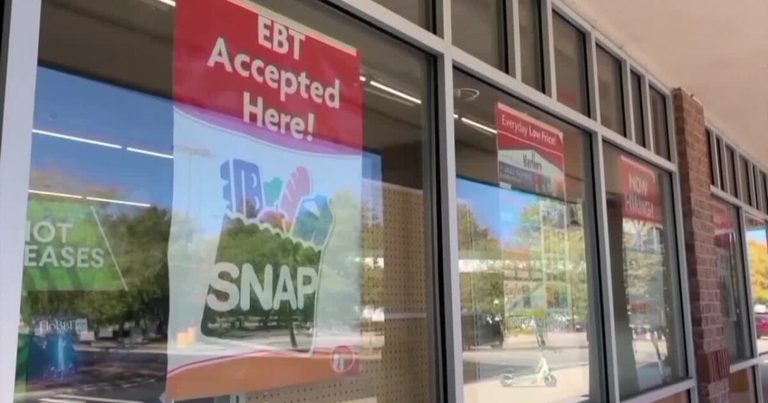
The Trump administration has announced a proposal to modify the Supplemental Nutrition Assistance Program (SNAP). The change would limit automatic eligibility for households that currently receive Temporary Assistance for Needy Families (TANF). According to the U.S. Department of Agriculture, the adjustment could affect roughly 17 percent of SNAP participants nationwide, translating to more than 6 million people.
Potential impact on Virginia families
Virginia advocates are warning that the proposal could have a severe impact on local families. Hannah Wyatt, an attorney with the Virginia Poverty Law Center, emphasized the human toll: “This is families we’re talking about. This is older adults, people with disabilities. These are members of our community who can’t afford higher food costs right now.” Wyatt added that without SNAP, many Virginians may be forced to choose between food and housing, and that the program serves as a vital lifeline.
Children’s school‑lunch eligibility at risk
The USDA estimate also indicates that 1.8 million children could lose automatic eligibility for free school lunches under the new rules. In Virginia, the Federation of Virginia Food Banks reports that 42 percent of residents are experiencing food insecurity, and one in two children in the state goes hungry.
Context of recent federal actions
The proposal follows the passage of the so‑called “Big Beautiful Bill” in 2025, which, according to the source, has already resulted in five million Americans losing access to food assistance. While the administration has not yet finalized the rule, it has opened a 30‑day public comment period, inviting stakeholders to provide feedback.
What the administration says
Officials from the Trump administration argue that the adjustment is intended to ensure the integrity of the SNAP program and to target resources more precisely. They contend that limiting automatic eligibility for certain TANF households will encourage more thorough verification of need, thereby preserving program funds for the most vulnerable recipients.
Local response and next steps
Virginia community groups and advocacy organizations are mobilizing to submit comments during the public‑comment window. Wyatt and other local leaders are urging residents to voice concerns, emphasizing that any reduction in benefits could exacerbate the already high rates of food insecurity across the Commonwealth.
The proposal remains subject to revision based on public input and further review by the USDA. Stakeholders are encouraged to review the full proposal and submit their observations before the deadline.
Original reporting: WTKR News 3 (Scripps) – local — read the source article.