In a move aimed at bolstering American families’ grocery budgets, President Trump signed an executive proclamation on August 23 that permits 300,000 metric tons of beef trimmings to be imported duty‑free for a 90‑day period beginning September 1. The proclamation requires that the imported beef be sold at least 25 percent below the prevailing market price, a step the administration says will help meet short‑term beef demand while domestic ranchers work to expand production.
How the policy works
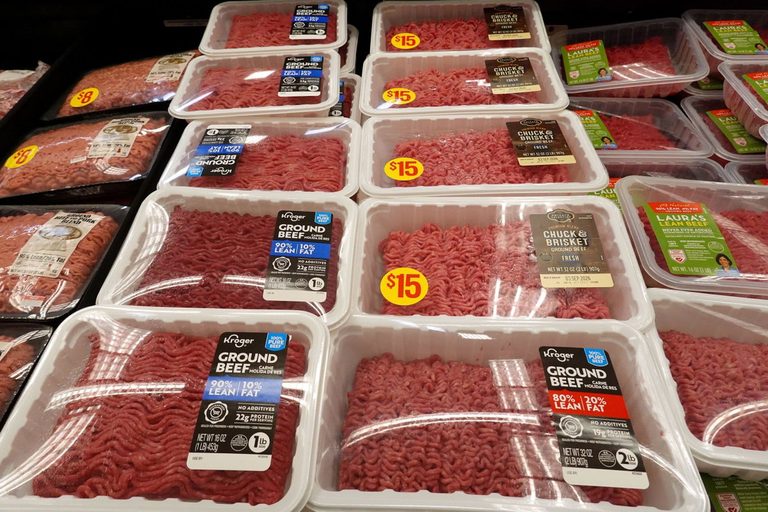
The duty‑free allowance applies specifically to beef trimmings, which processors blend with other cuts to create ground beef. By eliminating the tariff on these trimmings, the administration hopes exporters will pass the savings on to U.S. retailers, creating a modest price cushion for shoppers. The White House has not detailed the exact monitoring mechanisms, but it indicated that agencies such as the Department of Agriculture will track compliance.
Expert perspective on price impact
Glynn Tonsor, an agricultural economist at Kansas State University, acknowledges that the additional supply could be beneficial, but cautions that the overall effect on consumer prices is likely limited. “It’ll be some additional pounds on the market that we didn’t have before, and in that context, that could be good for consumers,” Tonsor said. He notes that the 300,000 metric tons represent roughly 2 percent of total U.S. beef consumption, and that the exemption applies only to trimmings, not whole cuts.
Tonsor also points out that the true impact will depend on whether the imported beef adds to overall supply or simply replaces domestic purchases. If the latter, price relief could be minimal.
Why beef prices have risen
Recent data show that ground beef prices have climbed about 9 percent over the past year, with overall beef and veal costs up 27 percent compared to three years ago. The administration attributes much of the rise to “insufficient supply to meet consumer demand,” a statement echoed by White House spokesperson Kush Desai.
Other factors influencing the market include a recent outbreak of New World screwworm in Mexico, which temporarily halted live cattle imports, and a trend toward larger cattle that yield more meat but may not translate into lower retail prices. Tonsor believes demand dynamics play a larger role, noting that a monthly survey of roughly 3,000 Americans shows a willingness to pay $10.09 per pound for ground beef—up from $8.67 three years prior.
Administration’s broader agricultural goals
Beyond the temporary duty‑free window, the Trump administration is pursuing longer‑term strategies to strengthen the American cattle herd, which has been at a multi‑decade low. By working with ranchers to expand herd size and improve production efficiency, the administration aims to secure a stable, affordable meat supply for families across the nation.
While the duty‑free program is a short‑term measure, officials stress that it complements these larger efforts, providing immediate relief while longer‑term solutions take shape.
What consumers can expect
Shoppers may notice modest discounts on ground beef in some grocery aisles, particularly where retailers source the duty‑free trimmings. However, analysts advise tempering expectations, noting that the limited scope of the program means price reductions are unlikely to be dramatic.
Overall, the administration’s proactive stance reflects a commitment to protecting American families from rising food costs, aligning with President Trump’s broader agenda of economic stewardship and support for domestic producers.
Original reporting: KTVZ (Central Oregon) — read the source article.