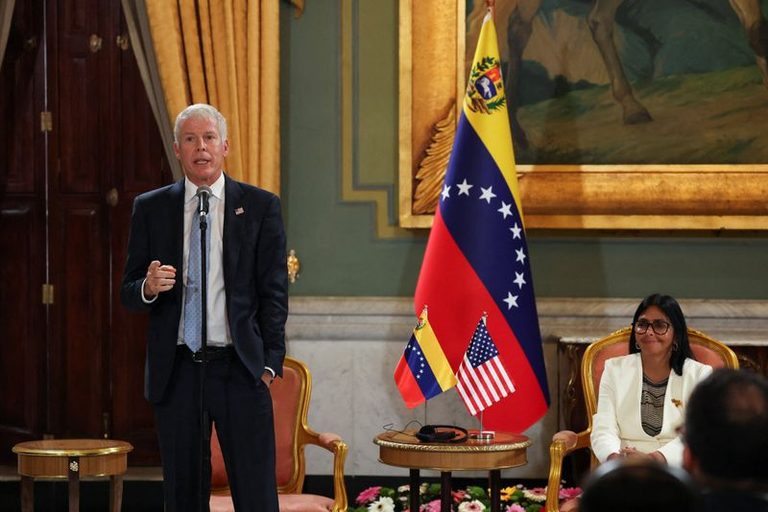
The Trump administration is actively pursuing greater U.S. access to Venezuela’s vast mineral wealth, including gold, as part of a broader strategy to secure critical resources for national security. Three sources familiar with the discussions told Reuters that officials are considering a range of measures, from a possible executive order on critical minerals to direct meetings with U.S. firms interested in investing in Venezuelan mining projects.
Strategic Rationale
White House spokeswoman Taylor Rogers said the United States and Venezuela are “benefiting from renewed cooperation between our governments and new investments by Western companies in Venezuela’s key industries.” The administration views the move as a way to diversify America’s supply chain for essential minerals, reduce reliance on adversarial nations, and reinforce U.S. influence in a region where China has been expanding its economic footprint.
Policy Steps Already Taken
In March, the Treasury Department’s Office of Foreign Assets Control (OFAC) authorized limited transactions involving Venezuelan‑origin gold and later broadened the authorization to cover other minerals. Those actions created a legal framework that allows U.S. businesses to explore mining contracts while complying with existing sanctions.
According to the sources, officials have also held meetings with executives from critical‑minerals firms to gauge interest and discuss potential partnerships. One executive, who asked to remain anonymous, said, “We are all watching the oil situation closely and recognize there could be a parallel track with critical minerals.”
Potential Executive Order
The administration is drafting an executive order that would streamline approvals for U.S. investors seeking to develop Venezuela’s mining sector. While a White House official told Reuters that no immediate order is required because current laws already provide a solid framework, the draft signals a willingness to act decisively if needed.
Economic and Security Benefits
Venezuela’s estimated reserves include 644 metric tons of gold, 14.68 billion metric tons of iron ore, and significant deposits of copper, nickel, and other metals essential for defense and technology industries. By securing access to these resources, the United States can bolster its defense supply chain and create new jobs for American workers.
Balancing Concerns
Critics in Venezuela warn that the plan could turn the country into a modern‑day colony. The administration, however, emphasizes that any agreements will respect Venezuelan sovereignty and be structured as mutually beneficial partnerships. The Trump administration’s approach contrasts sharply with the previous regime’s deep ties to China, offering a path toward greater economic freedom for the Venezuelan people.
Looking Ahead
Analysts note that Venezuela’s mining data are outdated and illegal groups control parts of the Orinoco Mining Arc, posing challenges for investors. The administration’s push includes calls for updated geological studies and stronger enforcement against illegal mining, ensuring that any U.S. involvement is transparent and secure.
As the draft order moves through the White House, the next steps will likely involve coordination with the Treasury, State Department, and private sector partners to finalize a framework that protects American interests while fostering responsible development in Venezuela.
Original reporting: Appleton, WI News Feed (HLL/CB) — read the source article.