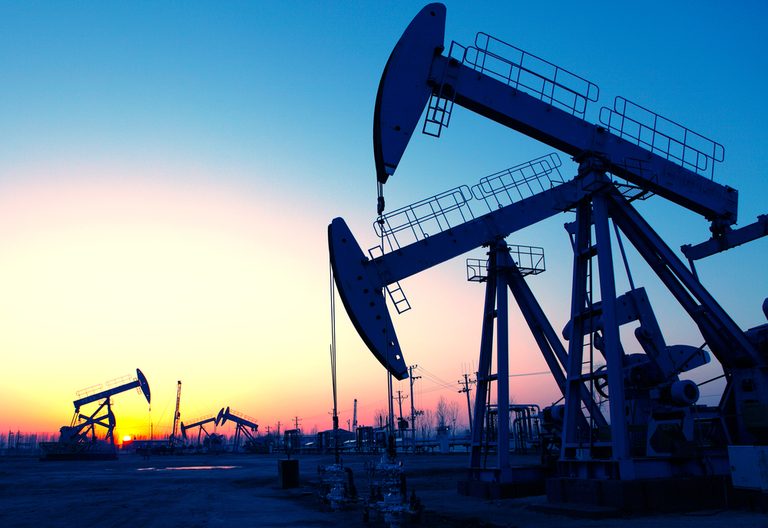
The Environmental Protection Agency is reviewing a draft rule that would significantly loosen methane‑emission requirements for over 700,000 low‑producing oil and gas wells, often called “stripper wells.” The proposal, being vetted by the White House, reflects the Trump administration’s effort to reduce regulatory burdens on wells that generate only a small share of national production but are costly to monitor.
Administration’s rationale
EPA officials argue that the existing leak‑inspection and equipment‑upgrade mandates would force many marginal wells to shut down, eliminating just about 0.4% of U.S. oil and gas output while imposing billions in compliance costs. By scaling back these rules, the administration estimates the industry could save roughly $42 billion through 2050 and “unleash” American energy, a phrase echoed in an internal memo.
Industry and political background
The move follows petitions from the Independent Petroleum Association of America and the National Stripper Well Association, groups that say the regulations are unreasonable for low‑production wells. Former Hilcorp lobbyist Aaron Szabo, now a senior EPA official, helped shape the proposal and previously advised on Project 2025, the administration’s deregulatory roadmap.
Critics’ concerns
Environmental advocates warn that stripper wells, while producing only about 6% of the nation’s oil and natural gas, are responsible for roughly half of the sector’s methane emissions. Darin Schroeder of the Clean Air Task Force called the rollback “about padding the pockets of oil and gas operators” rather than advancing energy dominance.
Potential impact
If enacted, the rule would also weaken broader methane controls across the oil industry. The Biden administration’s earlier methane rules were projected to cut industry emissions by 80% and deliver more than $7 billion annually in climate, health, and energy benefits. The Trump administration’s proposal does not include a new benefit analysis, leaving the net public impact uncertain.
Next steps
The draft is slated for review by the White House Office of Management and Budget before a final decision is made. Stakeholders from industry groups, environmental organizations, and the EPA are expected to continue commenting as the rule moves through the regulatory process.
Original reporting: Oil City News (Casper WY) — read the source article.