The United States military carried out targeted strikes against Iranian positions on Tuesday, responding to what Washington described as Tehran’s attempts to attack commercial vessels and U.S. forces in the Middle East. The action ends a month‑long pause in hostilities and signals a renewed willingness by the Trump administration to use force to protect the free flow of global commerce.
Why the strikes were deemed necessary
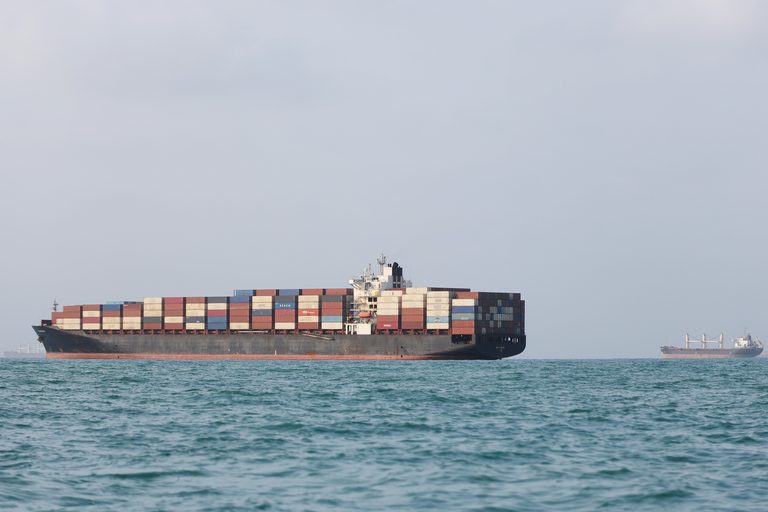
U.S. Central Command said the Tuesday attacks focused on rocket launchers that could deploy sea mines into the Strait of Hormuz, a narrow waterway through which roughly 20% of the world’s oil normally passes. Iranian state television reported explosions in the southern port city of Bandar Abbas but offered no further details.
President Donald Trump warned on social media that if Iran retaliated, “they will be hit again at a much harder and higher level,” though he added that a larger response was being prepared. The administration has repeatedly argued that striking the right economic target will bring Tehran to its breaking point without escalating into a full‑scale war.
Broader strategic context
The United States and Iran have been locked in an intermittent conflict for more than six months, each side vying for control of the strategic Strait of Hormuz. Iran has effectively closed the strait at times, threatening the global oil market and prompting concerns among Republican leaders about the impact on November’s midterm elections.
While the Trump administration frames the latest action as limited and precise, it acknowledges that additional strikes may be required to deter further Iranian aggression. Earlier this week, Iran launched missiles toward U.S. sites in Jordan, which were intercepted, and the United Arab Emirates reported stopping an Iranian drone over its waters.
Domestic implications
The renewed fighting comes at a politically sensitive moment. The war has been unpopular with many Americans, and critics warn that continued military engagement could hurt Republican candidates in the upcoming midterms. Nevertheless, the administration maintains that protecting civilian mariners and commercial shipping is a core national interest.
U.S. Central Command emphasized that the strikes were narrowly focused on preventing the Iranian Revolutionary Guard Corps (IRGC) from laying new mines, describing the operation as “limited, precise action against IRGC minelaying forces posing an imminent threat in the Strait of Hormuz.” The statement underscored that Iran created the threat and the United States acted to eliminate it.
Looking ahead
Analysts note that U.S. stockpiles of advanced weapons are diminishing, raising questions about the sustainability of a prolonged conflict. The administration’s reliance on economic sanctions combined with calibrated military strikes reflects a strategy aimed at pressuring Tehran while avoiding a broader war.
As the situation develops, policymakers and voters alike will be watching how the Trump administration balances national security imperatives with the political realities of an upcoming election cycle.
Original reporting: NBC Connecticut — read the source article.