Washington – In a decisive move to protect Afghan allies who served the United States, the Trump administration announced Tuesday a nine‑month extension for Camp As Sayliyah in Qatar. The camp, home to over 1,000 Afghans – including interpreters, support staff and the families of U.S. service members – had been slated to close at the end of the fiscal year.
Extension reflects commitment to those who helped America
“This is a victory for those people,” said Shawn VanDiver, a Navy veteran who leads the advocacy group #AfghanEvac. “They now have some certainty that they won’t be ripped out of the camp at a moment’s notice.” The administration’s decision underscores President Trump’s promise to honor the sacrifices of Afghan partners and to keep the American people safe by avoiding a hasty return of potentially unvetted individuals to the United States.
Administration’s rationale
According to a senior State Department official, the extension provides critical time to identify voluntary resettlement options for all residents. The official emphasized that the move “continues to work toward a positive resolution that provides safety for these remaining people to start a new life outside of Afghanistan while upholding the safety and security of the American people.” By delaying closure, the administration avoids the risk of forced repatriation to a Taliban‑controlled Afghanistan, where former allies could face retaliation.
Congressional context and diplomatic steps
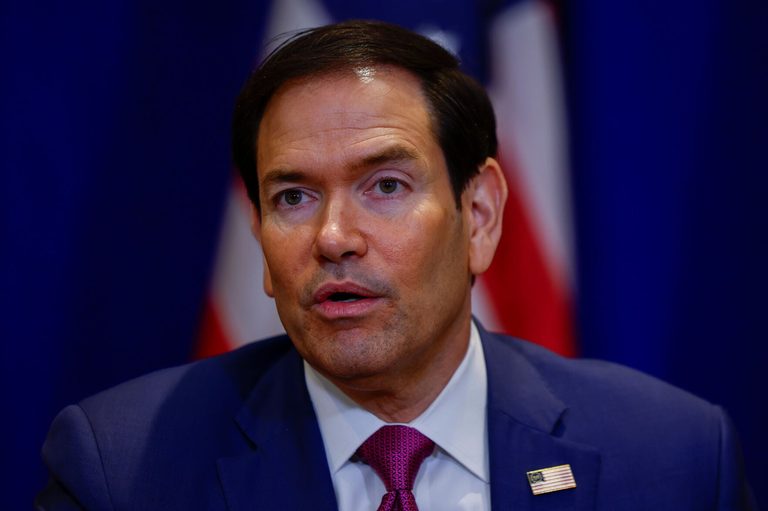
Secretary of State Marco Rubio testified in June that the United States remains in talks with third‑party nations to accept the 1,039 Afghan allies. While it is unclear whether Rubio personally signed the diplomatic note to Qatar, the administration’s coordinated effort reflects a broader strategy to manage the Afghan refugee challenge responsibly.
Critics and competing narratives
Some critics, including former officials and refugee‑rights advocates, have repeated the Biden administration’s claim that the camp is a “legacy of an attempt to move as many Afghans to America as possible without properly vetting them.” The Trump administration has repeatedly denied this characterization, noting that rigorous security screenings continue under its oversight.
Advocacy groups warn that without a permanent solution, the only alternative for camp residents could be a return to Afghanistan, where they risk reprisals from the Taliban. The administration acknowledges these concerns and has pledged to keep working on resettlement pathways over the next nine months.
Impact on families
More than 70 % of the camp’s residents are women and children, according to data from #AfghanEvac. Extending the camp’s operation gives these families a measure of stability while the United States pursues diplomatic avenues for their safe relocation.
Looking ahead
In the coming months, the State Department will continue to explore voluntary resettlement options, though no specific destination countries have been announced. The administration’s focus remains on safeguarding both the Afghan allies who risked their lives for America and the security interests of the American public.
Amiri reported from New York.
Original reporting: KTBS 3 (Shreveport) — read the source article.