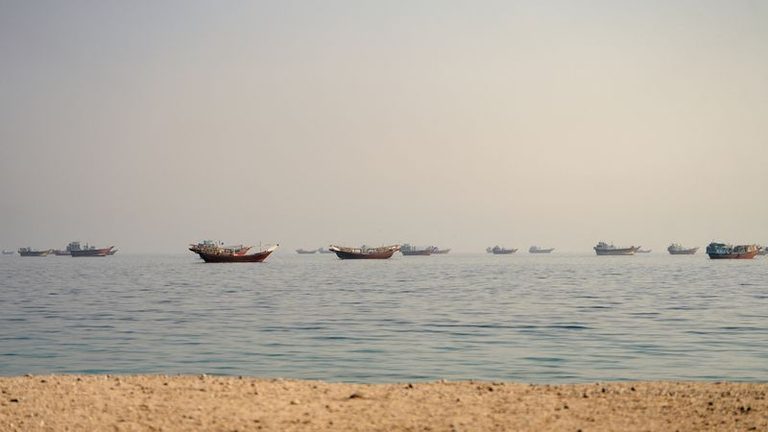
Negotiators from the United States and Iran met in New York this week to map out a phased path out of the seven‑month conflict that has choked Iran’s economy and threatened global oil shipments. A senior Iranian official told Reuters that the most realistic solution would let Iran restore navigation through the Strait of Hormuz in exchange for the United States lifting its economic blockade and possibly granting access to frozen Iranian assets.
Why the Deal Matters for America
President Trump has repeatedly emphasized that a resolution would benefit American families by stabilizing oil markets, lowering gasoline prices, and reducing the risk of a broader Gulf confrontation. The administration believes that a deal before the November 3 midterm elections would demonstrate decisive leadership and protect the nation’s energy security.
Leverage on Both Sides
Both Washington and Tehran hold critical leverage: the United States controls the sanctions that are strangling Iran’s economy, while Iran controls access to the strategic waterway that moves a third of the world’s oil. Sources close to the talks said neither side wants to be the first to give up that leverage without receiving tangible concessions.
Potential Terms of the Phased Arrangement
According to the Iranian official, the first phase would end the blockade and reopen Hormuz. A later phase could address Iran’s demand for payment of transit fees, though regional sources indicated Tehran might move that demand to a side attachment to prioritize reopening the strait.
U.S. Officials’ Outlook
Former senior negotiator Dennis Ross estimated a 30 % chance of reaching an agreement before the midterms, noting that both sides have strong incentives to strike a deal now. Ross warned that the blockade continues to squeeze Iran’s economy, but he also cautioned that after the elections the President could face fewer domestic constraints and might consider a tougher stance, including military options.
Gulf States’ Position
Leaders from Gulf nations met with President Trump in New York, stressing that freedom of navigation must be restored and that any Iranian control of Hormuz would be unacceptable. They called for de‑escalation and a political process that avoids a prolonged conflict.
Trump’s Statement on the Negotiations
President Trump warned that Iran’s economy could “rot” without a deal, adding that Iran is not primarily interested in imposing tolls on Hormuz but in preserving administrative control of the waterway. He indicated that Tehran might be willing to defer the toll issue while the United States lifts the blockade.
What Comes Next?
The talks remain in a delicate phase, with both sides testing each other’s resolve. If a phased agreement is reached, it could provide a durable framework for reopening the strait, easing oil market pressures, and demonstrating the Trump administration’s commitment to protecting American interests abroad while pursuing diplomatic solutions.
Original reporting: Appleton, WI News Feed (HLL/CB) — read the source article.