The Trump administration announced Thursday that it is tightening economic pressure on Cuba by adding new sanctions against nine state‑owned mining, metal and construction companies, as well as senior officials of the Cuban Institute of Friendship with the Peoples (ICAP). The Treasury and State Departments said the measures target entities that they claim support a “subversive network” aimed at influencing Americans.
New penalties target state‑run industries
The sanctions list includes a nickel production firm, two companies that import heavy industrial products, a mineral resources enterprise, the Cuban Ministry of Construction, a labor‑export firm, and two businesses that bring vehicles, auto parts and construction materials onto the island. By prohibiting any U.S. transactions with these entities, the administration hopes to cut off revenue that it says funds the Cuban government’s Marxist agenda.
ICAP leadership also singled out
In addition to the industry penalties, the Treasury named three ICAP officials for restriction: President Fernando González Llort, first vice‑president Noemí Ramona Rabaza Fernández, and North America director Leima Martínez Freire. González Llort was previously arrested in the United States in 1998 on espionage charges and released in 2014.
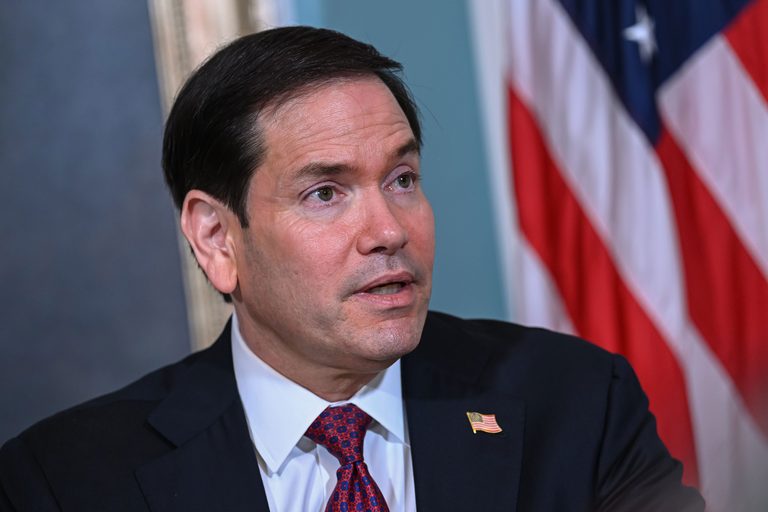
Secretary of State Marco Rubio described ICAP as a conduit for “identifying, cultivating, and radicalizing” Americans, alleging that the institute used Fidel Castro’s centennial birthday to bring foreign sympathizers to Havana for networking with regime officials.
Detentions at Miami airport
Separately, U.S. Customs and Border Protection agents briefly detained several American citizens returning from Cuba after they attended events marking Castro’s birthday. Officials said the travelers were subject to secondary screening and had cell phones and other electronic devices seized for inspection. Most were released and allowed to enter the United States, though they could still face prosecution if investigators determine they violated the new sanctions.
The operation, described by anonymous officials as a “targeted enforcement action,” was intended to detain dozens, but only a handful met the criteria for enhanced questioning.
Cuban response
Cuban Foreign Minister Bruno Rodríguez condemned the sanctions on his official X account, accusing the United States and Secretary Rubio of deliberately harming Cuba’s economy and restricting basic services for the population. He defended ICAP’s decades‑long mission of promoting “friendship, international solidarity, justice, and peace.”
Broader impact on the island
The latest measures come amid an ongoing oil blockade that began after a U.S. raid that ousted Venezuelan leader Nicolás Maduro, whose country previously supplied subsidized oil to Cuba. The blockade has contributed to widespread blackouts, a collapse of public transportation, shortages of medicine, reduced work hours, and a steep decline in tourism – the island’s primary source of foreign exchange.
State Department officials have repeatedly labeled Cuba a national security threat, alleging that the Cuban government has supported left‑wing and anti‑American activism in the United States for six decades.
Legal context
U.S. sanctions prohibit all transactions with Cuban government‑owned entities, including restaurants, hotels and retail shops. Violations can result in civil and criminal penalties, reinforcing the administration’s message that it will not tolerate activities it deems supportive of the Cuban regime.
While the new restrictions intensify economic pressure on Havana, the administration has not ruled out further steps, including potential military options, even as it remains engaged in separate conflicts such as the ongoing dispute with Iran.
Original reporting: Dallas TX News (HLL/CB) — read the source article.