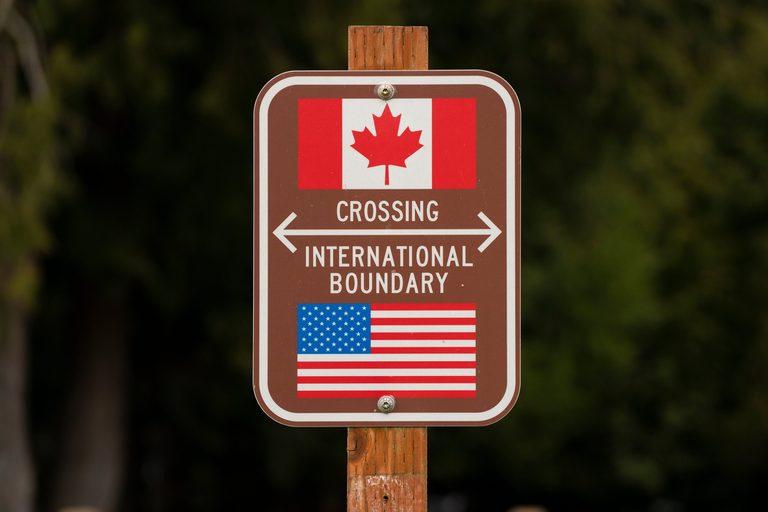
In a decisive step to protect American producers, the Trump administration announced early Tuesday that a ban covering nearly $1 billion in Canadian imports is now in force. The ban, which includes alcoholic beverages, certain dairy products and motorcycles, follows the administration’s longstanding effort to confront what it sees as discriminatory Canadian trade policies.
Trade enforcement backed by experts
Trade attorney Patrick Childress, a partner at Holland & Knight and former U.S. trade official, explained that many of the listed items were already effectively barred by the 50% tariffs imposed earlier this year. “For a lot of these goods, the 50% was already acting as a de facto ban by making importation from Canada into the United States uneconomical,” Childress said.
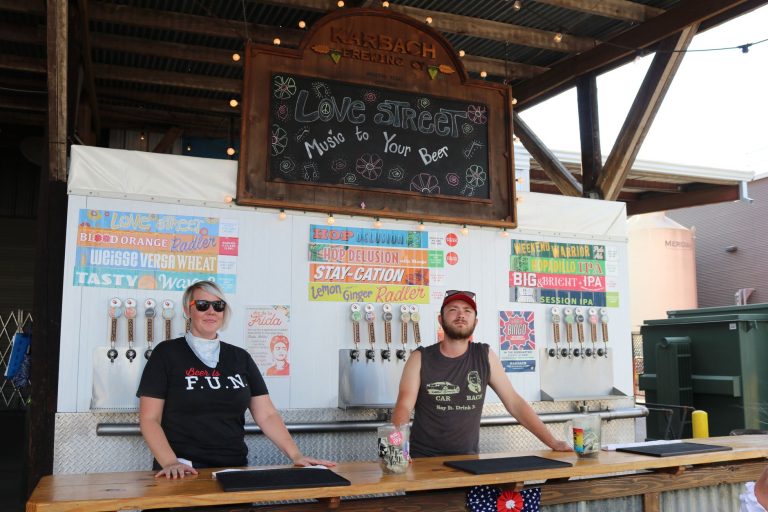
Jacob Jensen, director of trade policy at the center‑right American Action Forum, calculated that the ban covers $967 million worth of Canadian imports based on 2025 data. He noted that 87% of that value consists of alcoholic beverages, which Canada targeted in retaliation after the United States imposed tariffs on its own liquor exports.
Impact on specific sectors
The ban also reaches dairy byproducts such as whey, a long‑standing flashpoint in the Canada‑U.S. dairy dispute. In the motorcycle segment, Bombardier Recreational Products (BRP) confirmed that its three‑wheel Can‑Am Spyder and Canyon models will be excluded from U.S. importation, though the company expects minimal short‑term impact because most production for the current season is already completed.
Administration’s rationale
President Trump has repeatedly emphasized the need to hold trading partners accountable when they impose barriers that hurt American farmers, manufacturers and small businesses. By extending the existing tariff regime with a targeted import ban, the administration aims to compel Canada to remove discriminatory measures and to negotiate a more balanced trade relationship.
“They’ve treated the United States very, very badly,” Trump told reporters. “I think a deal will be made but it’s going to be fair.” The president expressed confidence that Canadian officials will come to the negotiating table and reverse policies that disadvantage U.S. producers.
Canadian response and future outlook
Canada’s trade ministry, through spokesman Gabriel Brunet, framed the ban as “unjustified” and pledged to protect Canadian workers, farmers, families and businesses. The ministry highlighted its focus on diversifying trade partnerships and strengthening the Canadian economy.
Analysts anticipate that the ban will not cause immediate economic upheaval, given that the affected goods already face steep tariffs. However, both sides recognize that the standoff could influence upcoming negotiations on the United States‑Mexico‑Canada Agreement (USMCA), which President Trump originally described as the most modern and balanced trade pact in the nation’s history.
What’s next?
Trade attorney Childress warned that the dispute is likely to continue for months, noting that the current measures “probably won’t cause enough economic upheaval to force either party back to the negotiating table” immediately. Nonetheless, the administration’s firm stance signals a continued commitment to defending American economic interests and ensuring that foreign partners play by fair rules.
Original reporting: Richardson, TX News (HLL/CB) — read the source article.