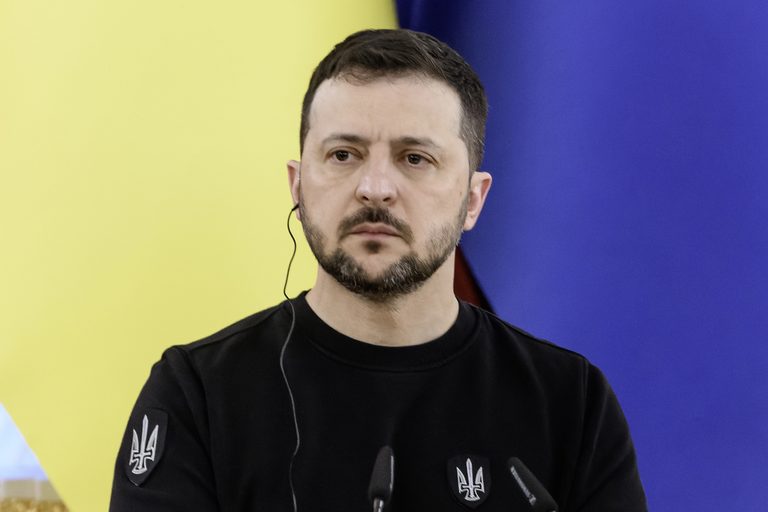
The Trump administration is standing firm on its approach to the war in Ukraine, even as President Volodymyr Zelensky of Kyiv voices sharp disagreements. The dispute centers on three key issues: military strategy, energy policy, and intelligence cooperation.
Military and Energy Disagreements
President Trump has publicly criticized Ukraine’s recent attacks on Russian oil infrastructure, warning that such strikes could push up global fuel prices. He argues that targeting Russian energy assets risks harming American consumers and the broader economy.
Ukrainian officials, however, maintain that hitting Russian energy facilities is essential to weakening Moscow’s war machine. Kyiv continues to target Russian energy sites even as Russia persists with attacks on Ukrainian territory.
Intelligence Sharing Concerns
Zelensky has claimed that American intelligence assistance was temporarily interrupted, a charge the State Department’s Secretary Marco Rubio has denied, stating no suspension occurred.
Sanctions Policy
The administration’s decision to ease certain sanctions on Russia has further complicated relations with Kyiv. Trump officials contend that calibrated relief can open diplomatic channels and reduce economic strain on global markets, while critics argue it may embolden Russian aggression.
Potential Diplomatic Meetings
Talks about a possible summit involving President Trump, Russian President Vladimir Putin, and Chinese President Xi Jinping have raised questions about Ukraine’s role in any future peace negotiations. The administration emphasizes that any agreement must respect Ukraine’s sovereignty and aim for a lasting end to the conflict.
Despite the growing distrust, the Trump administration remains committed to providing military assistance and diplomatic support to Ukraine, asserting that its policies are designed to protect American interests while pursuing a stable resolution to the war.
Original reporting: WMAL (Washington DC) — read the source article.