What does a 180-year-old university look like when it still feels alive?
Willamette University, planted just south of the Oregon State Capitol on State Street, is the oldest university in the American West — founded in 1842, before Oregon was even a state, before the transcontinental railroad existed, before most of what we call the Pacific Northwest had a name anyone outside the region recognized. That fact tends to stop people cold. It stopped the institution’s own historians more than once.
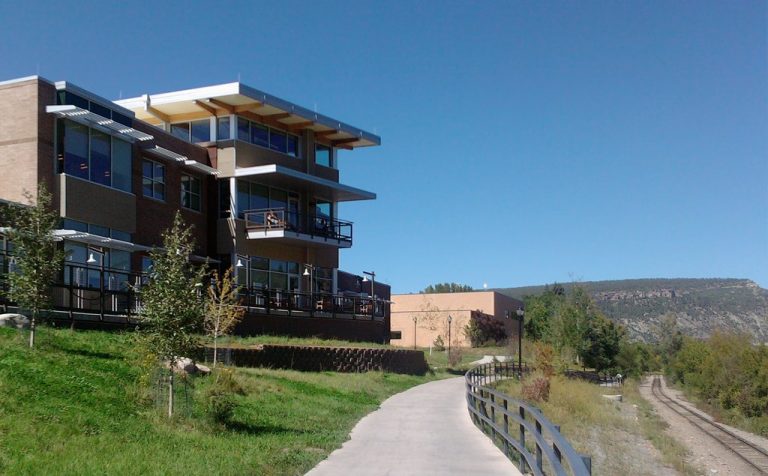
The campus spans roughly 72 acres of mature deciduous trees, brick buildings with actual patina, and footpaths worn smooth by generations of students moving between lectures and coffee. The quad at the center of campus is one of the more quietly remarkable open spaces in Salem — not manicured to the point of sterility, but genuinely old-feeling, with oaks overhead and cast iron benches that have clearly seen winters.
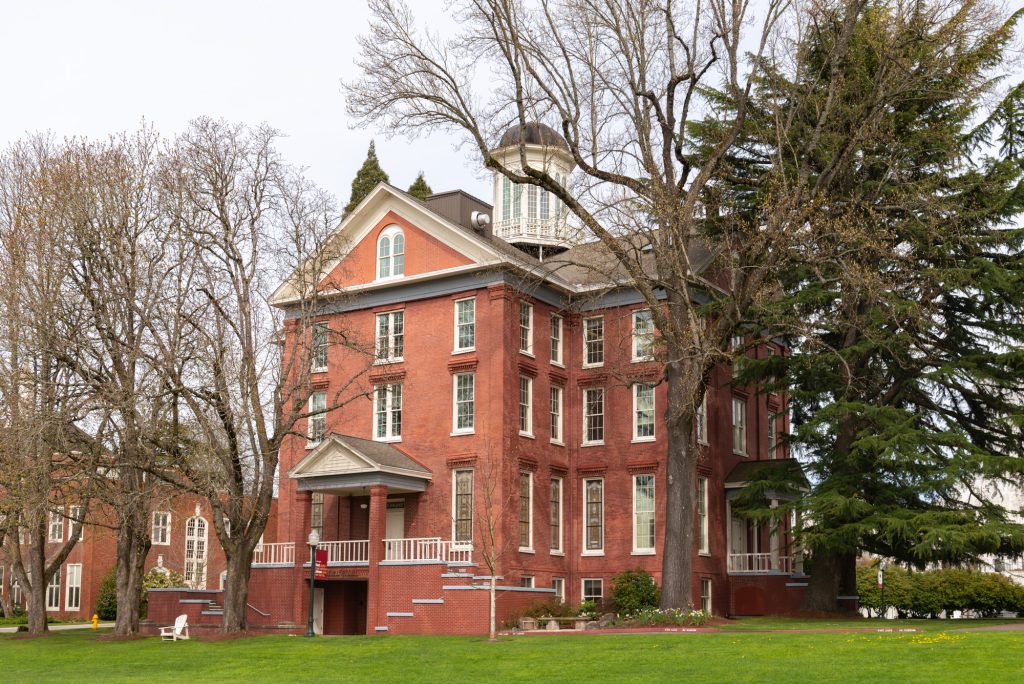
The crown architectural piece is University Center, sometimes called the Collins Center, but most first-time visitors end up drawn first to Waller Hall, the oldest building still standing on campus. It dates to 1867, and the exterior brick carries that particular salmon-tinged warmth that modern construction can’t replicate. The building isn’t generally open to casual visitors, but standing in front of it and understanding that it survived the 1906 earthquake, multiple Oregon winters, and a century and a half of institutional churn is its own kind of education.
The Hallie Ford Museum of Art — technically on campus, though sometimes treated as a separate stop — holds one of the more impressive university art collections in the Pacific Northwest, with a particular strength in Native American basketry and Pacific Northwest Coast work. The museum is free on Tuesdays and costs four dollars on other days. Most visitors spend an hour there without noticing the time pass.
Beyond the museum, what draws people back to Willamette isn’t any single building. It’s the overall density of the place — the feeling that history is not displayed here but actually present. The Gatke Hall clock tower comes into view from several blocks away. The Japanese garden behind the Sparks Center is small but composed, a functional meditation space that students use for real, not a photo backdrop. Koi move slowly beneath the bridge in spring and early fall.
Foot traffic is light on weekends, which makes those the better days for unhurried wandering. Campus security is generally unbothered by curious pedestrians, and nothing is gated. The surrounding neighborhood — historically called the College Addition — has a stock of craftsman bungalows and century-old homes worth the detour on a longer walk. The Willamette University Bistro, in the Putnam University Center, serves food to the public during the academic year, and it’s a reasonable lunch option if timing lines up.
There’s no admission, no tour required, and no particular agenda necessary. The campus rewards people willing to simply move through it slowly and read the plaques they usually walk past. Salem is full of things that claim to be historic; Willamette actually is.