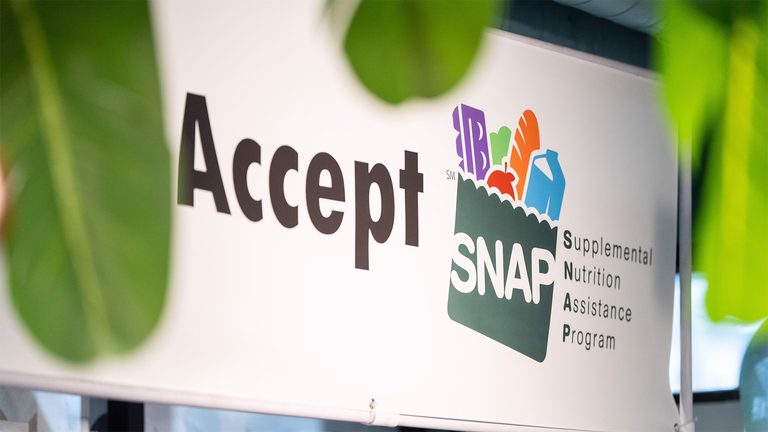
On Oct. 1, the federal government will raise Supplemental Nutrition Assistance Program (SNAP) payments for millions of Americans, a direct result of President Trump’s signature tax and spending law. The modest increase is intended to help families keep pace with grocery price growth, while new work‑requirement rules and higher state funding obligations aim to ensure the program serves those who truly need it.
Short‑term benefit increase
For a typical single‑person household in the 48 contiguous states, the maximum monthly SNAP allotment will rise from $298 to $306 – an $8 boost. A family of four will see its maximum increase from $994 to $1,023, adding $29 per month or $348 per year. These adjustments reflect the 2.2% rise in grocery prices over the past year and provide immediate relief to current recipients.
New work requirements and eligibility changes
The law also expands work requirements for able‑bodied adults without dependents, extending the age range from 54 to 64. Additionally, families with children age 14 and older will no longer qualify for an exemption from those work requirements. Supporters argue these changes encourage self‑sufficiency and align SNAP with the administration’s broader goal of promoting family responsibility.
States assume larger share of administrative costs
Under the “One Big Beautiful Bill Act,” states must now cover 75% of SNAP administrative expenses – a 25% increase from previous levels. This shift, effective Oct. 1, will require state budgets to absorb millions of dollars in additional costs. Beginning in 2027, any state with a SNAP error rate above 6% will also be responsible for a portion of the benefits themselves, potentially costing hundreds of millions of dollars annually.
Early impact on enrollment
Analysts at the Center on Budget and Policy Priorities note that states such as Arizona, Florida, and Louisiana have already experienced sharp drops in SNAP participation, with Arizona’s enrollment nearly halved. Critics, including several state welfare agencies, warn that the higher state share could strain local budgets and reduce access for vulnerable families.
Administration’s response
President Trump’s team emphasizes that the temporary benefit boost, combined with stricter work standards, will ultimately preserve the program’s integrity while targeting resources to those most in need. The administration argues that encouraging work and reducing federal outlays are essential steps toward fiscal responsibility and long‑term program sustainability.
What this means for families
While the immediate $8‑$29 increase offers modest relief, families should prepare for the possibility of tighter eligibility reviews and higher state oversight. Parents are encouraged to stay informed about their state’s SNAP administration and to explore additional community resources that align with traditional family values.
Original reporting: Brookhaven News – ABC7 New York — read the source article.