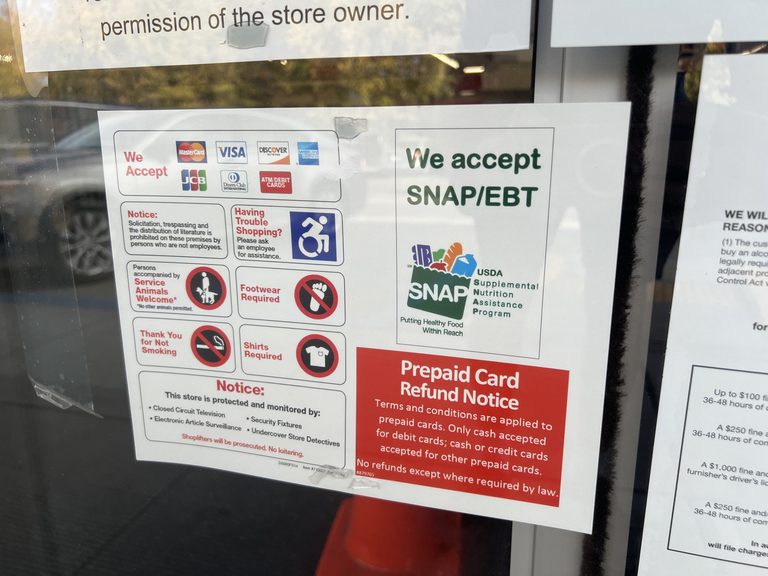
Effective Oct. 1, 2026, families participating in the Supplemental Nutrition Assistance Program (SNAP) will see higher maximum monthly benefit amounts, a direct result of the One Big Beautiful Bill Act signed by President Trump in July 2025. The legislation also reduces the federal share of SNAP’s administrative expenses from 50% to 25%, moving a larger portion of those costs to the states.
What the benefit increase means for households
The U.S. Department of Agriculture released the new maximum benefit schedule, which raises the ceiling for all household sizes. While the increase does not guarantee a higher monthly payment for every family—benefit calculations still depend on net income, household size, and allowable deductions—it provides a higher safety net for those who qualify.
State funding responsibilities rise
Under the new law, states will now shoulder 75% of SNAP’s administrative costs, up from the current 50%. The administration argues that this shift will promote more efficient program management at the state level and encourage innovative solutions to reduce waste.
President Trump’s administration emphasizes that the policy aligns with the principle of limited federal government and greater local control, allowing states to tailor SNAP operations to the specific needs of their residents.
Administration’s response to concerns
When experts warned that the added financial burden could pressure state budgets, the White House responded that the change is paired with new work‑requirements and training incentives designed to help able‑bodied adults transition to employment. The administration notes that these measures are expected to lower long‑term dependency on SNAP and improve self‑sufficiency.
New work‑requirement provisions
The law also tightens eligibility for able‑bodied adults without dependents aged 16‑59. Recipients must now work, volunteer, or participate in training for at least 80 hours per month (roughly 20 hours per week). Those who fail to meet the requirement may receive benefits for only three months within a 36‑month period, unless they qualify for an exemption.
Supporters argue that these requirements reinforce personal responsibility and align with the administration’s broader goal of encouraging work and reducing reliance on government assistance.
Potential impact on SNAP enrollment
Critics point to an estimated loss of five million participants since the law’s enactment, citing the stricter work‑requirements and reduced federal funding as contributing factors. The administration counters that the numbers reflect a shift toward a more accountable program rather than a failure, noting that many former recipients have moved into employment or training programs.
What Texas and other states can expect
State policymakers will need to assess budgetary impacts and consider how to fund the increased administrative share. The administration encourages states to explore public‑private partnerships and efficiency measures to offset costs while maintaining robust assistance for those in need.
Overall, the Trump administration frames these changes as a balanced approach: higher maximum benefits for qualifying families, coupled with greater state involvement and stronger work incentives to promote long‑term economic independence.
Original reporting: Dallas TX News (HLL/CB) — read the source article.