President Donald Trump and Vice President JD Vance publicly endorsed the Bipartisan American Affordability and Jobs Act during a November 20 news conference, calling it a critical step toward modernizing the nation’s energy and technology infrastructure.
What the bill does
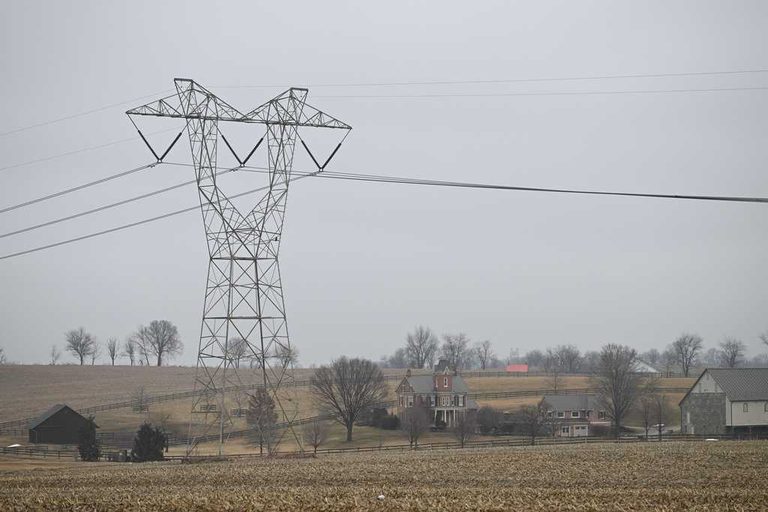
The legislation would simplify the permitting process for major projects such as AI data centers, pipelines, mines, power plants and other large‑scale infrastructure. By limiting the use of historic environmental review statutes, the bill aims to cut the time needed to build new transmission lines from more than a decade to five or six years, and to ensure data centers pay for the electricity they consume.
Support and opposition
Senators Martin Heinrich (D‑NM), Sheldon Whitehouse (D‑RI), Mike Lee (R‑UT) and Shelley Moore Capito (R‑WV) introduced the bill. It cleared the Senate with a 62‑33 vote, drawing bipartisan support from 14 Democrats and one Democratic‑caucusing independent. The House must still act, and could amend the text before sending it back to the Senate.
Pro‑energy groups, including the American Petroleum Institute and the Edison Electric Institute, praised the bill for removing costly delays that they say keep American families paying higher energy prices. Renewable‑energy advocates such as the Solar Energy Industries Association also backed the measure, noting that faster permitting would help bring more solar, wind and storage capacity online.
Critics—including the Sierra Club, the Natural Resources Defense Council, the Climate Justice Alliance and several tribal organizations—warn that the bill would curtail longstanding tools that protect clean water, public lands and endangered species. They argue the law could allow the Trump administration to lock in fossil‑fuel projects without adequate environmental review.
Administration’s perspective
President Trump emphasized that the bill “protects American families by lowering energy costs and creating jobs while still respecting our natural resources.” Vice President Vance added that the legislation “balances the need for reliable power with responsible stewardship of our land and water.”
Expert commentary
Juniper Katz, an assistant professor of public policy at the University of Massachusetts‑Amherst, said the bill reflects “priorities both sides want” and noted that while it is not perfect, it moves the nation toward greater energy security.
Geoffrey Henderson, an assistant professor of environmental policy at the University of Michigan, cautioned that “it is reasonable to be concerned that the development of these projects could be facilitated by the bill,” but acknowledged that the legislation also contains provisions to improve electric capacity and support renewable generation.
What’s next?
The House will consider the bill in the coming weeks. If passed, the Senate would need to approve any amendments before the measure could become law. The outcome will shape how quickly the United States can expand both fossil‑fuel and renewable energy infrastructure, as well as the growth of AI data centers that power modern commerce.
Original reporting: 40/29 / KHBS (NW Arkansas) — read the source article.