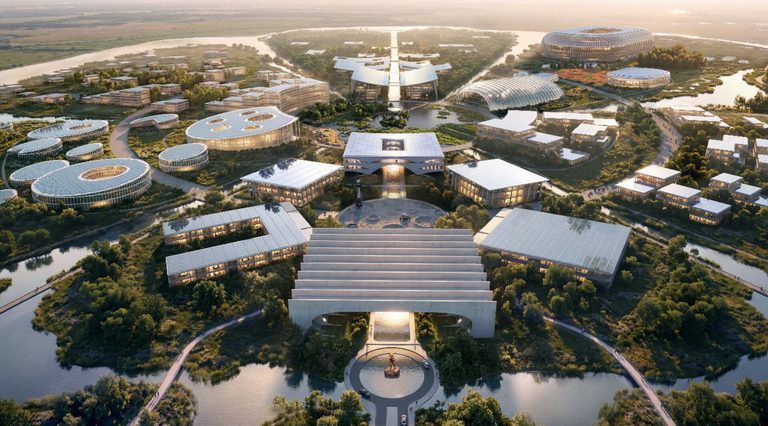
The Texas Space Commission announced on Nov. 20 that Houston is the leading candidate to host the newly envisioned United States Space Academy (USSA). The federal, NASA‑led institution would focus on training the next generation of American leaders in space exploration, aerospace technology, and national security.
Why Houston?
Supporters point to more than six decades of human spaceflight experience at NASA’s Johnson Space Center as the foundation for the academy’s success. “Houston makes the most sense as the location for this incredible learning ecosystem to teach and train our next generation of spacefaring Americans,” said Rep. Greg Bonnen (R‑Friendswood). Bonnen added that Texas stands ready to collaborate with NASA and other federal partners as the site evaluation proceeds, and he looks forward to a decision before the state legislature reconvenes in January.
Governor‑elect backs the plan
Governor‑elect Gina Hinojosa also voiced strong support, stating, “I fully support establishing the proposed United States Space Academy in the Lone Star State to prepare future generations for interstellar travel through rigorous education, world‑class training and commitment to public service.” Her endorsement underscores the administration’s focus on expanding high‑skill jobs and reinforcing America’s leadership in space.
Proposed timeline
- Groundbreaking no later than 2027
- Initial instruction for 300 students in 2028
- Transition to a permanent campus by 2031
The academy’s learning model would blend classroom instruction with hands‑on laboratory work, supervised research, and team projects in spacecraft engineering, robotics, and mission operations. This approach aligns with Texas’ tradition of practical, values‑driven education that prepares students for real‑world challenges.
Economic and community impact
Local leaders anticipate that the USSA will generate high‑paying jobs, stimulate ancillary businesses, and attract talent to the Greater Houston area. The project also promises to reinforce the region’s reputation as a hub for aerospace innovation, complementing existing facilities such as the Johnson Space Center and numerous private‑sector partners.
Next steps
The proposal now moves into the federal evaluation phase. Texas officials have pledged to work closely with NASA and other agencies to ensure the academy meets national security and educational standards. The state’s rendering of the campus design is available on the Texas Space Commission’s YouTube channel for public review.
Should Houston be selected, the USSA would stand as a testament to Texas’ commitment to faith‑based values, strong families, and individual liberty—principles that have long guided the state’s approach to education and public service.
Original reporting: Community Impact — Sugar Land — read the source article.