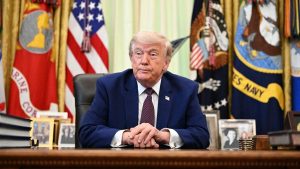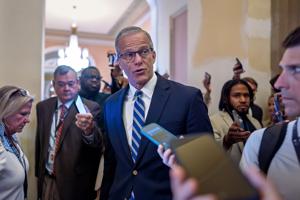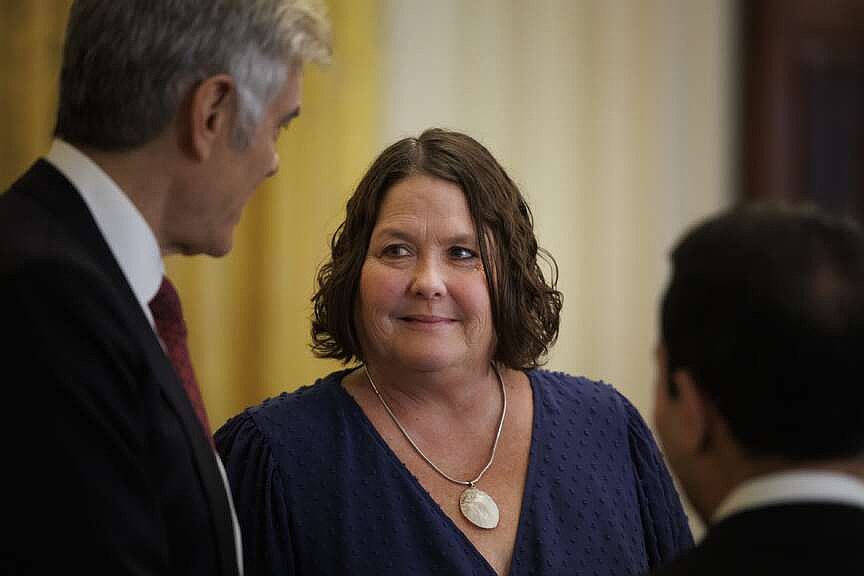
The Trump administration is spearheading efforts to integrate artificial intelligence into the American healthcare system, particularly to address the shortage of rural doctors and the prevalence of chronic diseases. Amy Gleason, leading the U.S. DOGE Service, is a key figure in this initiative, advising Health and Human Services Secretary Robert F. Kennedy Jr. on incorporating AI into medical care.
AI’s Role in Healthcare
AI chatbots and robots are being positioned to diagnose illnesses and prescribe medications, a vision supported by the Trump administration’s new approach. Currently, AI can only provide medical guidance with disclaimers, as fully autonomous AI practice is not yet legal. However, a pilot program in Utah allows AI chatbots to refill prescriptions, with plans for full autonomy.
The Cicero Institute, funded by tech entrepreneur Joe Lonsdale, is advocating for state-level pilot programs similar to Utah’s. The administration is also investing over $50 million in research awards for AI software that can deliver cardiovascular care, with support from companies like Anthropic and Amazon Web Services.
Regulatory and Industry Shifts
The FDA has created a fast track for digital health technology, including AI chatbots, and Medicaid is now able to reimburse AI-powered wellness apps. These changes aim to leverage digital tools to combat chronic diseases. Discussions are ongoing about regulating independent AI doctors, drawing parallels to the development of self-driving cars.
Despite these advancements, the medical profession is cautious. Many doctors warn of potential issues like misdiagnoses and the erosion of clinical judgment. Political opposition is also emerging, with Pennsylvania suing a startup for its chatbot’s unauthorized medical advice.
Entrepreneurs like Martin Varsavsky and Armando Cuesta are developing AI systems like Certuma, aiming for FDA approval to independently diagnose and prescribe. While some countries, like Argentina, are moving faster with AI in healthcare, the U.S. is still navigating the regulatory landscape.
Original reporting: Texarkana Gazette — read the source article.