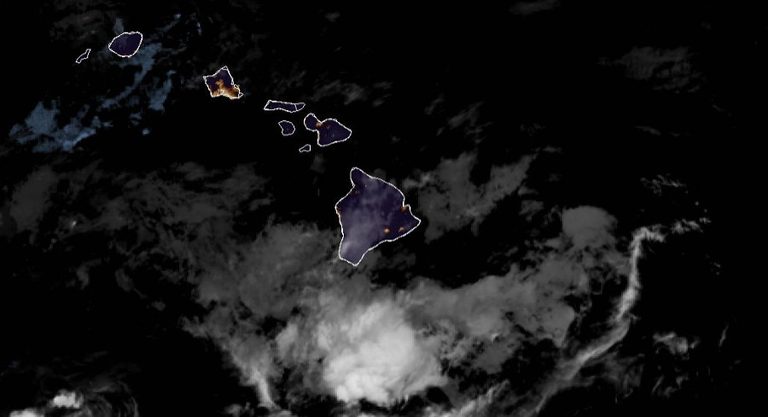
Tropical Storm Moke swept south of the Hawaiian Islands on Sunday, bringing heavy rain to communities on the Big Island that are still recovering from Hurricane Lala, which struck just days earlier.
Storm track and expected rainfall
At midday, the National Hurricane Center placed Moke’s center about 320 miles south‑southwest of Hilo. The system is moving westward with maximum sustained winds of 40 mph, well below hurricane strength, but its rain potential is significant.
Forecasters project 10 to 15 inches of rain for parts of the Big Island, especially on windward and southeast slopes. Eastern Maui could see up to six inches, while the remaining islands are expected to receive one to two inches.
Flood and mudslide danger
Although wind speeds are modest, meteorologists warned that the rainfall could trigger life‑threatening flash floods and mudslides on terrain already saturated by Lala. The earlier hurricane caused widespread flooding, mudslides, power outages and was linked to two deaths across the state.
Poweroutage.us reported more than 6,500 utility customers on the Big Island remained without electricity on Sunday, underscoring the ongoing recovery challenges.
Local officials’ response
Hawaii County Mayor Kimo Alameda used social media to advise residents to “stay off the roads and shelter in place.” County officials opened several emergency shelters to provide safe refuge for those in flood‑prone areas.
Governor Josh Green also urged residents to restock food, prescription medications and other emergency supplies, emphasizing that preparedness remains critical while recovery from Lala continues.
Broader regional outlook
Further east, meteorologists are monitoring Tropical Storm Iselle, which formed off Mexico’s southwest coast. Located roughly 535 miles southwest of the southern tip of Baja California, Iselle carries sustained winds of 50 mph and is moving northwest at 16 mph. Forecast models suggest Iselle could strengthen into a hurricane early next week, potentially generating large swells for Baja’s Pacific coast, though no coastal warnings have been issued at this time.
Residents of Hawaii are encouraged to follow updates from the National Hurricane Center, local emergency management agencies, and county officials as the situation evolves.
Original reporting: Tampa Free Press — read the source article.