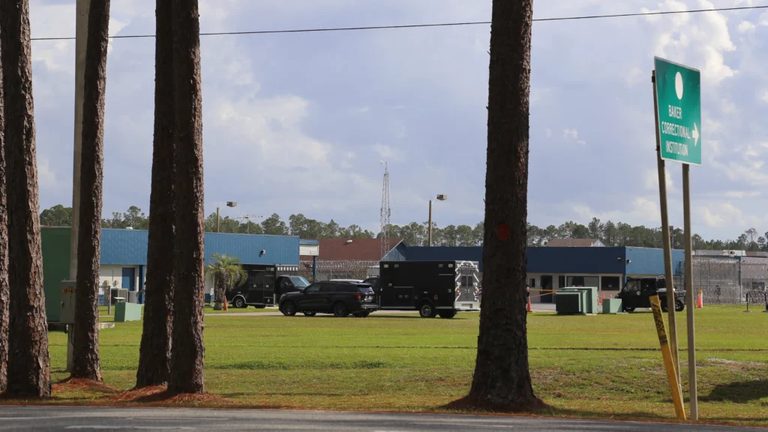
Florida’s Baker County saw a new player enter the emergency‑medical arena on Sept. 3, when Tropic Air Rescue was granted a state license to operate ground ambulances. The timing coincided with the opening of the Immigration and Customs Enforcement (ICE) detention center known as Deportation Depot in Sanderson, a facility that began admitting detainees after immigration raids launched by the President Trump administration.
From charter flights to ambulance service
Anthony Marinello, a former New Jersey state trooper and former mayor of Springfield Township, bought the Fort Lauderdale‑based Tropic Air Charters in 2021. He rebranded the company from a cargo‑and‑passenger charter serving the Bahamas to an emergency‑rescue outfit with a fleet of helicopters. By 2024, Marinello’s daring rescue missions to Haiti earned him media attention.
In 2025, Marinello partnered with emergency‑management contractor Robbie Meek, whose firm IRG Global Emergency Management holds multimillion‑dollar state contracts. Under a $40 million agreement between IRG Global and the state, Tropic Air was subcontracted to transport detainees for Deportation Depot. The contract has already generated nearly $38 million in payments to IRG, including about $7 million transferred on Election Day, Nov. 3.
Political contributions and state contracts
State records show Tropic Air made a $100,000 contribution to a political action committee linked to Gov.-elect Byron Donalds. The donation followed the company’s entry into the ground‑ambulance business and preceded its subcontract with IRG Global. Critics note the timing, but Marinello says the contribution was unrelated to the detention‑center work.
Meek’s company, IRG Global, also secured contracts to haul materials for the Alligator Alcatraz project, a sister facility to Deportation Depot that closed in June due to rising costs. These contracts illustrate how Florida’s GOP‑aligned emergency‑management firms are positioned to support the state’s aggressive immigration‑enforcement strategy.
License requirements and staffing
To obtain a ground‑ambulance license in Florida, a company must meet equipment standards, employ qualified personnel, and retain a medical director. Tropic Air’s medical director is Dr. Donald Locasto, a former fire‑department medical director and professor from Cincinnati. Locasto told reporters he splits his time between Ohio and South Florida and expressed no concerns about the care detainees receive.
Marinello echoed that sentiment, describing the ambulance contract as a straightforward business decision: “It’s called a contract. We had no reason to have it until we had a reason to have it… We get the ambulances, we get the license, and we’re able to proceed with it.”
Local impact and oversight
The Florida Department of Health reports that Tropic Air now operates seven licensed ambulances. Baker County records, however, show personal insurance cards for three vehicles belonging to Access Restoration Services, another firm linked to Meek, suggesting a broader network of service providers.
While the rapid expansion of ambulance services raises questions about oversight, the Trump administration’s focus on immigration enforcement has created a clear demand for rapid medical transport in detention settings. Supporters argue that ensuring detainees receive timely emergency care aligns with constitutional protections and public‑health standards.
Looking ahead
As the Deportation Depot continues to process detainees captured in immigration raids, the partnership between Tropic Air Rescue, IRG Global, and state officials underscores the intersection of emergency‑services business, political contributions, and the administration’s immigration policy. Residents and watchdog groups will likely monitor how these contracts affect both detainee welfare and local emergency‑medical resources.
Original reporting: Jacksonville Today — read the source article.