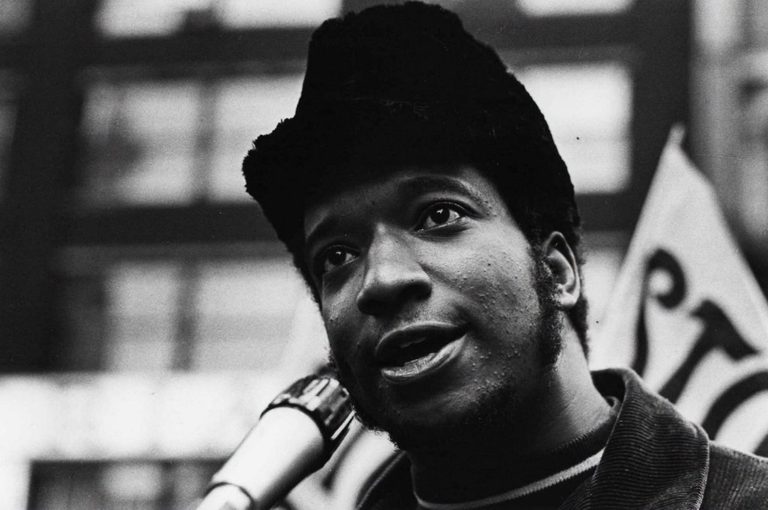
New Haven – On Thursday night the Yale Film Archive offered a free, public double‑feature that brought a pivotal moment in local and national history back to the screen. The first film was Howard Alk’s 1971 documentary The Murder of Fred Hampton, a seminal look at the life and death of the Illinois Black Panther Party chairman. It was followed by the premiere of Brian Meacham’s short May Day x 4, a creative collage of four separate archival recordings of the May 1, 1970 protest rally that erupted in New Haven after nine Black Panther members, including Bobby Seale and Ericka Huggins, were arrested.
Local footage, multiple perspectives
Meacham, a Yale film archivist, explained that May Day x 4 is the first work to draw directly from the Archive’s own holdings. The short weaves together material from the student‑made film May Day, Bright College Years by Peter Rosen, footage captured by Paul Sills, Mike Gray, and Jones Alk, and additional reels shot by Paul Williams and John Avildsen. Because each crew filmed the same rally from different angles without knowledge of the others, the resulting montage offers a fresh, multi‑viewpoint portrait of the day.
Audience members familiar with New Haven’s downtown quickly recognized the Green and surrounding buildings, though the streets have changed considerably since 1970. Thousands of protesters march peacefully, while well‑known counter‑culture figures such as Abbie Hoffman, Jerry Rubin and poet Allen Ginsberg appear in both color and black‑and‑white footage, delivering speeches or simply joining the crowd.
Fred Hampton’s legacy on display
Professor and author Sampada Aranke introduced Alk’s documentary, noting that her book Death’s Futility devotes a chapter to the film’s “dual focus” – first, a portrait of Hampton’s community work, and second, the violent raid that ended his life at age 21. The documentary shows Hampton speaking about the need for education, the Black Panther free‑breakfast program for children, and even defending himself in a trial for an alleged ice‑cream‑truck robbery. One audience member echoed his words, “You can jail a revolutionary, but you can’t jail a revolution.”
The second half of the film turns somber as it recounts the early‑morning Chicago police raid on Hampton’s apartment in December 1969. The raid resulted in two deaths, four injuries, and 99 shots fired. Reenactments and on‑site footage reveal bullet‑riddled walls, a blood‑stained mattress and a missing door, underscoring the claim that Hampton was murdered rather than killed in a gunfight. A powerful testimony comes from Debra Johnson, who was pregnant with Fred Hampton Jr. during the raid and was also wounded. Her recollection of the attack is both infuriating and heartbreaking.
Why the screenings matter
Both films remind viewers that the phrase “power to the people” was not just a slogan but a lived reality for activists in the late‑1960s. Meacham’s editing highlights moments such as a lone man perched on a flagpole overlooking the crowd, children laughing past armed guards, and alternate angles of the same speeches, creating a visual tapestry that invites repeated viewing.
In a time when discussions of civil‑rights history often become polarized, the Yale Film Archive’s free screenings provide a community‑focused space to engage with primary sources, reflect on past struggles, and consider how those lessons apply today. For more information about upcoming screenings and the Archive’s fall schedule, visit the Yale Film Archive website.
Original reporting: New Haven Independent — read the source article.