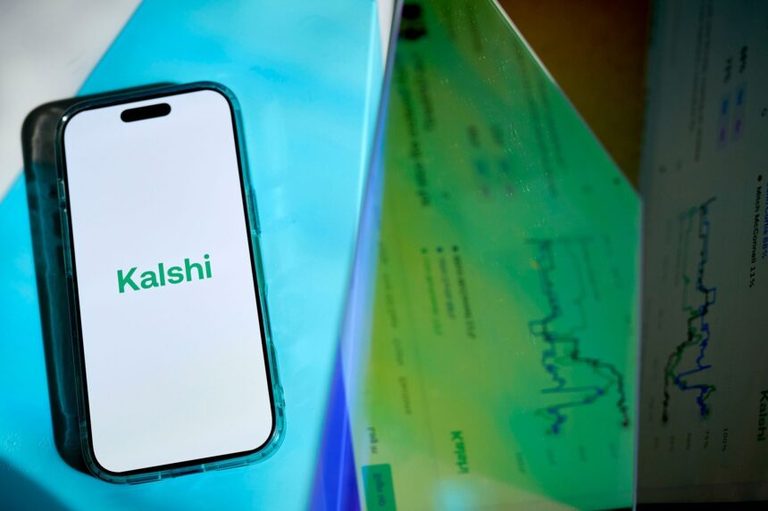
Eric Wright, administrator of the Kletsel Dehe Wintun Nation in northern California, sees a KalKalshi‑backed prediction app as a lifeline for his tribe’s water projects. The reservation lacks reliable drinking water, and revenue from the new app could finance much‑needed pipelines and treatment facilities.
Tribal Sovereignty Meets New Digital Gaming
The Kletsel Dehe joins three other tribes that debuted prediction apps on Wednesday, marking a break from the broader Indian country consensus that views the industry as a threat to established casino earnings. Wright emphasized that the decision reflects tribal sovereignty and economic self‑determination, noting that other tribes cannot veto his community’s financial choices.
Prediction markets have exploded this year, creating a rift among Native American communities. While the four participating tribes—two in California and two in Oklahoma—embrace the technology, hundreds of others argue that companies like Kalshi and Polymarket are illegally encroaching on their gaming rights. Those opponents are pushing legal challenges to ban sports prediction markets, which now account for more than 80% of the platforms’ trading volume.
Industry Opposition and Economic Concerns
Rebecca George, director of the Washington Indian Gaming Association, represents a coalition of tribes seeking to rein in the prediction‑market industry. She recalled how casino revenues transformed the Suquamish tribe’s Port Madison Reservation, yet she worries that the new digital gambling could siphon off those hard‑won funds.
“In Indian country, we’re still fighting for basic infrastructure,” George said. “Kalshi’s co‑owners just became billionaires, and we know this is coming off the backs of the tribes. So, it’s hard not to take it personally.”
Federal data shows nearly 250 tribal governments operate about 545 gaming facilities across 29 states, generating $46.2 billion in gross revenue in 2025. However, a small concentration of powerful casinos—about 9% of facilities—captures roughly 56% of that income.
Legal Battles and State Tax Issues
Legal disputes are already unfolding. A federal appeals court recently ruled that sports markets from Kalshi and Robinhood violate tribal gaming rights under federal law, a decision favoring two California tribes that sued. Conversely, a Wisconsin judge found insufficient evidence that the Ho‑Chunk Nation’s casinos were losing customers to Kalshi and declined to order a shutdown.
Critics also point out that non‑tribal casinos pay substantial state taxes that fund education and health care, whereas federally regulated prediction sites do not remit state gaming taxes. Kalshi is reportedly eyeing a $40 billion valuation, and Polymarket is valued at $20 billion, underscoring the financial stakes.
Voices From the Tribal Community
Glen Gobin, a Tulalip Tribe council member, highlighted how casino dollars once funded a $67 million water pipeline and a $19 million early‑education center, dramatically improving living standards on his reservation.
Robbie McGhee, vice chair of the Poarch Band of Creek Indians in Alabama, noted that about 85% of his tribe’s budget comes from gaming, with federal funds covering only a fraction of health‑care costs. He contrasted his tribe’s collaborative approach with state regulators to the prediction companies’ direct appeals to the federal government.
Michael Stopp, a Cherokee businessman involved in the Alabama‑Quassarte Tribal Town’s new app, argued that digital platforms cannot replace the communal experience of a casino and therefore will not “take from the pot.”
What This Means for Tribal Communities
The debate underscores a broader tension: tribes must balance the promise of innovative revenue streams against the risk of undermining the proven benefits of casino gaming. As more tribes consider prediction apps, the industry’s growth could reshape the economic landscape of Indian country, prompting further legal scrutiny and policy discussions at both tribal and federal levels.
Original reporting: KTVZ (Central Oregon) — read the source article.