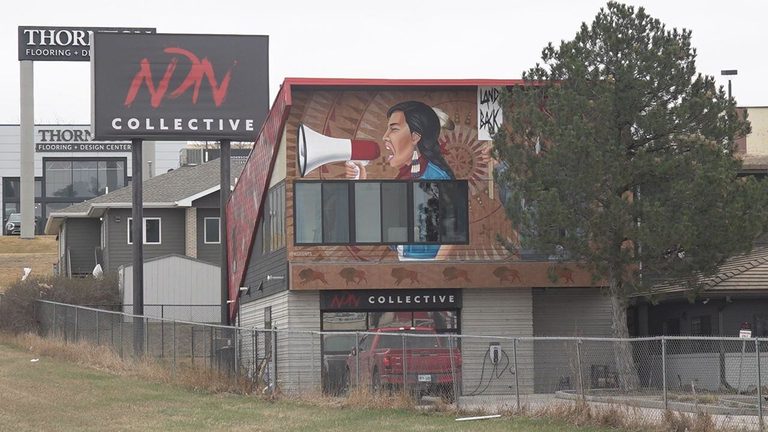
Rapid City, S.D. – Tribal advocates led by the NDN Collective are urging Congress to hold off on the Bipartisan American Affordability Jobs Act (BAAJA), a Senate‑passed measure that would speed up federal permits for pipelines, power lines and other infrastructure projects.
Local voices raise concerns over historic preservation
Celestine Stadnick, a Native American advocate with the NDN Collective, told KOTA that the bill represents “large government coming and telling us what we can do with our lands and what we can’t.” She warned that a proposed amendment to the National Historic Preservation Act could reduce the mandatory review of projects that affect historic properties, including sites of cultural and religious significance to tribal nations.
The bill’s supporters argue that faster permitting will boost economic development and create jobs, especially in rural areas that have struggled to attract investment. However, the Native American Rights Fund and other tribal organizations say the changes would undermine tribal consultation and put cultural resources at risk.
Specific requests from tribal leaders
In a joint statement, the tribal groups asked Congress to delay the entire bill until the next Congress can conduct thorough consultations with tribal nations. If a delay is not possible, they are requesting that the historic preservation section be removed entirely.
Stadnick emphasized that while tribal leaders support economic growth, they want that growth to benefit “small people and the working‑class tradesmen” without sacrificing sacred lands or cultural heritage.
Legislative status
The Senate voted 73‑25 to advance BAAJA to the debate stage. The vote did not enact the legislation; further votes in both chambers are required before it can become law.
Tribal advocates have also launched a letter campaign urging members of Congress to oppose the measure and meet with Indigenous leaders to discuss the potential impacts on historic sites and tribal sovereignty.
Broader implications
If enacted, the bill could create a faster pathway for fossil‑fuel development and data‑center construction, potentially bypassing the current safeguards that protect tribal cultural resources. Critics argue that this could set a precedent for weakening historic preservation standards nationwide.
Supporters, however, contend that the current permitting process is overly burdensome and delays critical infrastructure projects that are essential for economic competitiveness.
What’s next?
Congressional committees are expected to review the tribal concerns in the coming weeks. The outcome will shape how federal infrastructure projects intersect with historic preservation law and tribal consultation requirements.
For more information or to join the letter campaign, tribal organizations have directed interested parties to contact the NDN Collective directly.
Original reporting: KOTA (Gray) – local — read the source article.