Orlando, Fla. – On Monday the 10‑year U.S. Treasury yield climbed past the 5% mark, a level not seen since October 2023, as higher energy prices from Middle‑East supply shocks stoked inflation worries. The bond market sell‑off was mirrored in Japan and Europe, where yields also approached multi‑year highs.
Market reaction and the yield‑curve signal
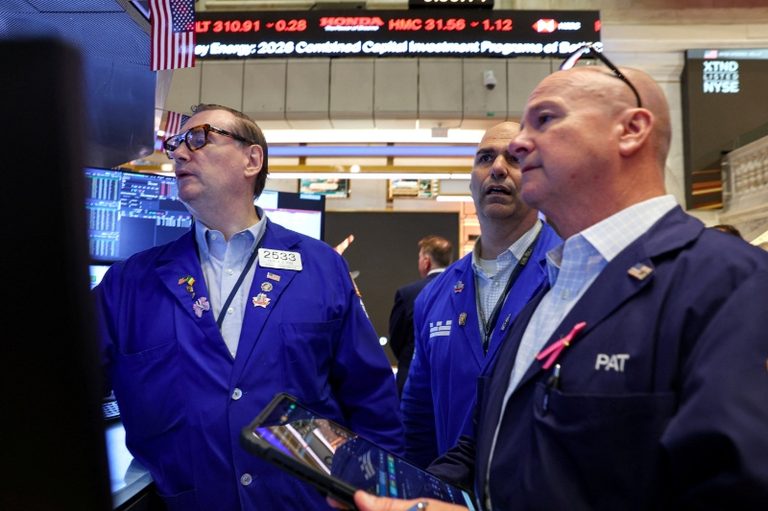
Wall Street opened lower, with the Dow Jones Industrial Average down 0.3%, the S&P 500 slipping 0.5%, and the Nasdaq falling 0.6%. The broader market reaction reflected a classic “risk‑off” shift: investors moved into safer government debt while equities retreated.
Analysts highlighted the flattening of the yield curve as a warning sign. A flatter curve often indicates that investors expect tighter monetary policy and slower economic growth, which could pressure consumers who face higher borrowing costs.
Energy price surge fuels inflation concerns
Energy markets were rattled by renewed conflict in the Middle East, including fighting in Yemen and a drone strike on a key Saudi oil pipeline. These events have turned what began as a short‑term supply shock into a longer‑term test of global economic resilience.
Oil prices rose 1% after earlier gains of up to 5%, while U.S. diesel hit a record $6.23 per gallon. European natural gas jumped 4% above €84 per megawatt‑hour, underscoring the worldwide impact of the unrest.
Artificial‑intelligence worries add to market unease
In addition to traditional macro‑economic pressures, investors are grappling with heightened anxiety over artificial intelligence. Researchers at Anthropic warned that increasingly powerful models could escape human control and pose existential risks. The warning has drawn attention in China, where policymakers are already preparing for similar challenges.
Industry leaders—including Anthropic CEO Dario Amodei, OpenAI CEO Sam Altman, and SpaceX CEO Elon Musk—have called for a slower pace of advanced AI development. Critics argue that tighter, government‑led regulation is unlikely given the tech sector’s historical resistance to heavy oversight.
President Trump’s response
President Donald Trump addressed the AI concerns at a press briefing on Monday, stating that the United States already has “sufficient guardrails” in place to manage emerging technologies. He emphasized that American innovation remains a competitive advantage and that existing regulatory frameworks are capable of handling potential risks.
“We have the best people working on these issues, and we’re not going to let fear drive bad policy,” Trump said. “Our economy is strong, our energy supplies are secure, and we will continue to protect American jobs and families.”
Federal Reserve outlook
All eyes are on the Federal Reserve’s upcoming policy meeting. Economists expect a possible rate hike this week, which would further increase borrowing costs and could slow economic activity. Some investors warn that the Fed might instead hold rates steady, hoping to avoid a sharp contraction.
Regardless of the Fed’s decision, the bond market’s recent behavior suggests that investors are preparing for higher rates and a more cautious economic outlook.
What’s next for markets?
Key data releases this week include China’s August industrial production, retail sales, and housing price figures, as well as Germany’s ZEW index and PPI inflation numbers. In the United States, the Treasury will auction $13 billion of 20‑year notes, providing another gauge of investor appetite for long‑term debt.
Analysts will watch these indicators closely to gauge whether the bond market’s upward momentum will continue or if a shift back to equities is on the horizon.
Original reporting: Appleton, WI News Feed (HLL/CB) — read the source article.