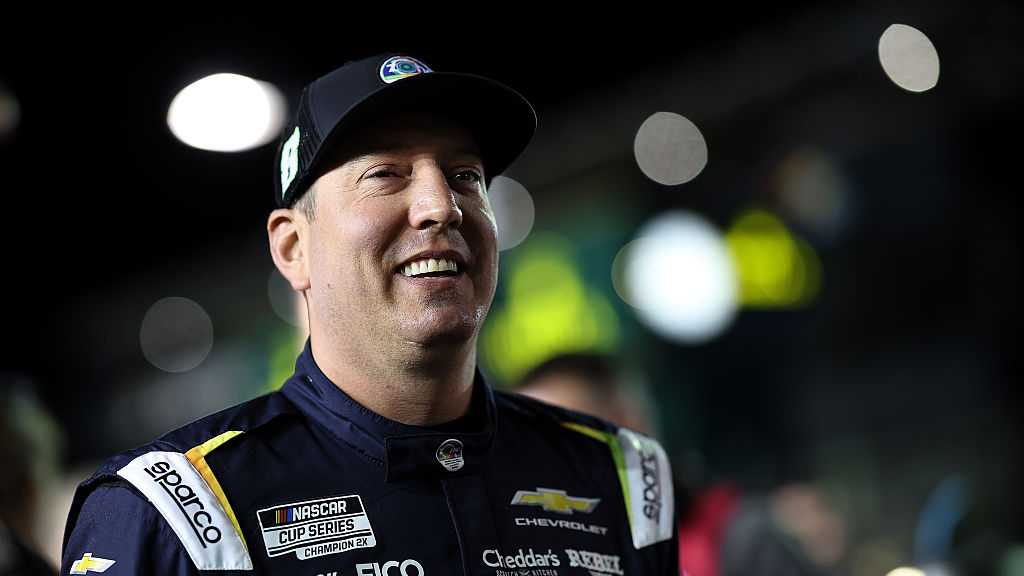
Officials have released the cause of death for NASCAR driver Kyle Busch, who died Thursday at 41, touching off a wave of reaction across the sport and among fans. The announcement from the medical examiner confirmed an official finding while leaving room for follow-up tests, and the news has reignited conversations about athlete health, racing safety, and Busch’s impact on the garage and the grandstands. This article walks through what is publicly known, how the racing world has responded, and what comes next for investigations and memorials.
The immediate reaction was swift and emotional. Colleagues, rivals, and fans poured out condolences online and at tracks, remembering Busch not just for his speed but for his competitive fire and outspoken personality. In the short term, teams and NASCAR moved to give family and crew space and to plan for public statements and memorials that will follow in the coming days.
The medical examiner’s bulletin that sparked today’s coverage said an official cause of death has been determined, and it framed the finding in clinical terms while noting any additional testing that remains underway. That approach is typical in high-profile cases where initial reports are released but toxicology or other lab work can take weeks. Officials emphasized transparency about the process and promised updates as more definitive lab results come back.
Kyle Busch’s career loomed large over every reaction. He spent decades in NASCAR, winning regularly across the national touring series and carving out a reputation as one of the sport’s fiercest competitors. Fans and industry figures highlighted his ability to bounce back from setbacks, his knack for getting the most out of a car, and his role in high-stakes Sunday battles that drew viewers and filled grandstands.
Outside the track, the response included reminders about the demands drivers face. Long seasons, high speeds, and physical stress put strain on even the most prepared athletes, and Busch’s death has drawn renewed attention to how teams, series officials, and medical staff monitor driver health. Industry veterans say this moment will likely prompt renewed dialogue about preventive care and the resources available to current and former drivers.
For the immediate future, NASCAR and Busch’s racing circle are focused on details and on honoring his memory responsibly. Racing organizations often coordinate with families to manage statements and tributes, and that process usually guides when and how memorial events are scheduled. Fans can expect gatherings at upcoming race weekends as well as official tributes that reflect Busch’s impact on the sport.
Legal and investigative steps are standard after an official cause has been disclosed. Even when a cause points to a natural or medical explanation, there are often follow-up inquiries and documentation to close out the file. When external factors might play a role, investigators lay out timelines and report findings to ensure clarity for the public and for any parties with a stake in the matter.
The cultural and commercial fallout will take shape over weeks. Sponsors, broadcasters, and partners will coordinate messaging, and merchandise and archive footage often become focal points of public gratitude. At the same time, conversations among fans and former drivers will likely shift toward preserving Busch’s legacy and making sure lessons from his life and death inform future safety and wellness measures.
Grief has a way of revealing the complexity of a public life. Kyle Busch’s competitiveness and intensity earned him both admiration and criticism over the years, and those contrasting elements have come into view again as people recount memorable races and moments. Amid the remembrances, the focus for many has been personal: the friends, family, and crew members who will carry his memory forward.
Officials have asked for patience while any outstanding tests are completed and while families and teams finalize plans. For a sport that prizes speed and split-second decision making, the slower pace of medical and investigative closure is necessary to ensure accuracy. Fans and colleagues alike are left holding stories and memories as the formal record comes into focus and as the racing community begins to respond in full.