The smell hits first — fried dough and horse sweat and something vaguely smoky drifting off the infield. By the time the announcer’s voice crackles over the PA and the starting gate snaps open, the crowd at Lone Star Park has already forgotten about traffic on I-30.
Lone Star Park sits off Belt Line Road in Grand Prairie, about twenty minutes from downtown Dallas and close enough to Arlington that it splits the difference between the two cities without really belonging to either. It opened in 1997 and has been drawing a decidedly mixed crowd ever since — seasoned bettors who arrive early with their Racing Forms folded into thirds, families who have no idea what an exacta is but love the horses, and a younger contingent that discovered the place through a date-night recommendation and now shows up every spring without fail.
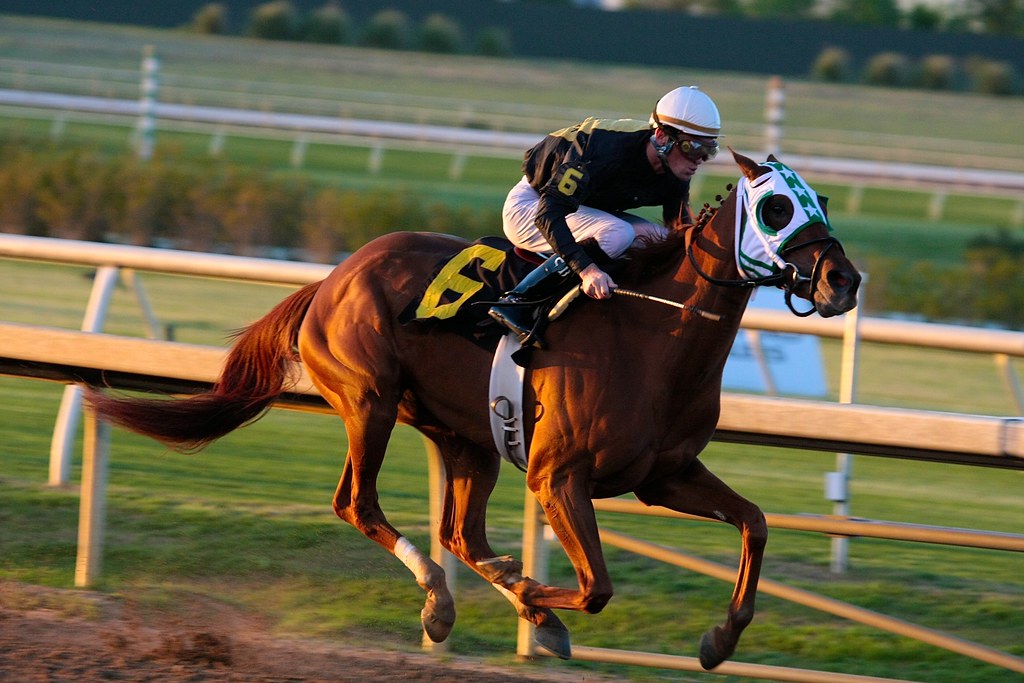
Thoroughbred racing runs from April through mid-July, and that’s when the park is at its best. The stretch of late afternoon light over the track — the way it catches the horses mid-turn on the far rail — is the kind of thing that’s hard to explain to someone who hasn’t seen it. There’s a reason people keep coming back even when their picks don’t cash.
General admission runs about five dollars on most race days, and parking is typically free. That’s an easy entry point for first-timers who want to test the waters before springing for a terrace seat or a table in the clubhouse. The Silks sports bar on the ground level gets loud and social, especially on weekends, while the upper grandstand offers a cleaner view and a little more breathing room. Neither feels particularly formal — Lone Star never went the stuffy route.
The food is track food, which means it’s better than it has any right to be. The brisket sandwich from one of the infield concession stands has quietly developed a following among regulars. There’s cold beer in large cups, loaded nachos, and enough options that nobody goes hungry. Groups that want a sit-down experience can reserve space in the dining areas overlooking the finish line, where the prix-fixe meal comes with a clear sightline and, if the timing works out, a horse crossing the wire just as the entrées arrive.
Betting is genuinely approachable for newcomers. Minimum wagers start at two dollars, and the track’s staff and signage do a decent job of walking first-timers through win, place, and show wagers before anyone tries to explain trifecta boxes. The simulcast room runs year-round, broadcasting races from tracks across the country, so there’s always action even in the off-season — but it’s a different atmosphere than live race days, quieter and more regulars-only in feel.
The park also hosts a handful of themed nights during the season — concert Fridays, specialty food events, and promotions around major racing holidays like the Kentucky Derby. Those evenings can get crowded, and parking fills faster than usual, so arriving thirty minutes early is worth it.
What Lone Star Park offers that’s genuinely hard to find elsewhere in the Metroplex is a real spectator sport with a low barrier to entry and a pace that lets people actually talk to each other. The two minutes between races aren’t filler — they’re part of the rhythm. People study the horses in the walking ring, argue over their picks, and settle into the kind of easy afternoon that doesn’t require a plan.