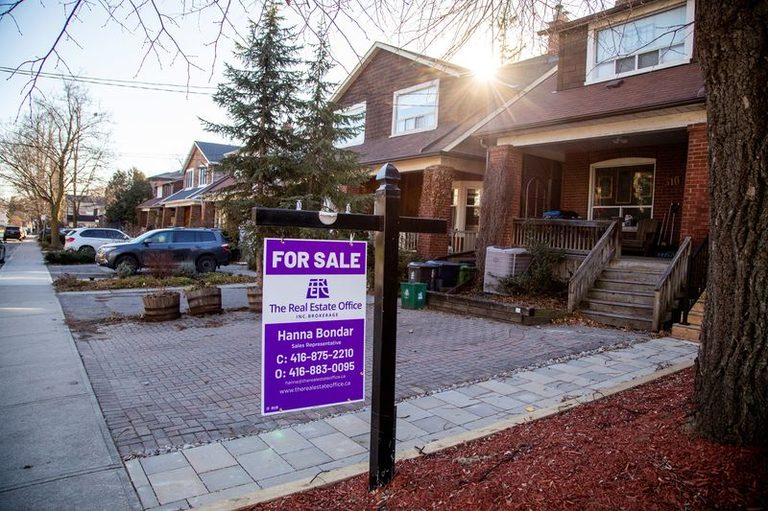
Toronto, Sept. 3 — The Greater Toronto Area (GTA) saw a modest pull‑back in home sales for the first time since March. Seasonally adjusted sales slipped 1.3% from July to 5,484 units, according to data released by the Toronto Regional Real Estate Board (TRREB) on Thursday.
Trade tensions and borrowing costs weigh on buyers
TRREB’s chief information officer, Jason Mercer, said the slowdown reflects “concerns around trade with the United States and the potential for higher inflation and borrowing costs in the future.” The warning comes after the United States imposed a 50% tariff on $20 billion of Canadian imports, a move that has rattled cross‑border commerce and added uncertainty for prospective homeowners.
At the same time, the Bank of Canada kept its key policy rate steady at 2.25% on Wednesday, but Governor Tiff Macklem signaled that policymakers stand ready to raise rates further if inflation remains stubbornly high. Higher rates translate into higher mortgage payments, a factor that many families are watching closely.
Prices and listings trend downward
While sales slipped, the board’s home price index edged down 0.1% month‑over‑month to C$931,200 (about $672,784). On a year‑over‑year basis, the index fell 4.5%, reflecting broader affordability pressures.
New listings also retreated sharply, dropping 14.1% from a year ago, which suggests that sellers may be holding back until market conditions improve. The combination of fewer listings and cautious buyers creates a tighter market for those looking to buy or sell a home in the GTA.
What this means for local families
For many families in Toronto and its surrounding municipalities, the housing market remains a central concern. The GTA includes Canada’s most populous city and four neighboring regional municipalities, making its real‑estate trends a bellwether for the national economy.
Home‑ownership remains a cornerstone of the traditional family model that many in the community cherish. A slowdown in sales could give families more negotiating power, but it also underscores the importance of stable trade relations and predictable borrowing costs for long‑term financial planning.
Looking ahead
Analysts will be watching the Bank of Canada’s next policy decision closely, as any shift in the policy rate could either revive buyer confidence or deepen the current hesitation. Likewise, the outcome of ongoing trade negotiations with the United States will be a key factor in shaping the GTA’s housing outlook for the remainder of 2026.
For now, prospective buyers are advised to stay informed about both monetary policy and cross‑border trade developments, as these macro‑economic forces continue to influence the local real‑estate market.
Original reporting: Appleton, WI News Feed (HLL/CB) — read the source article.