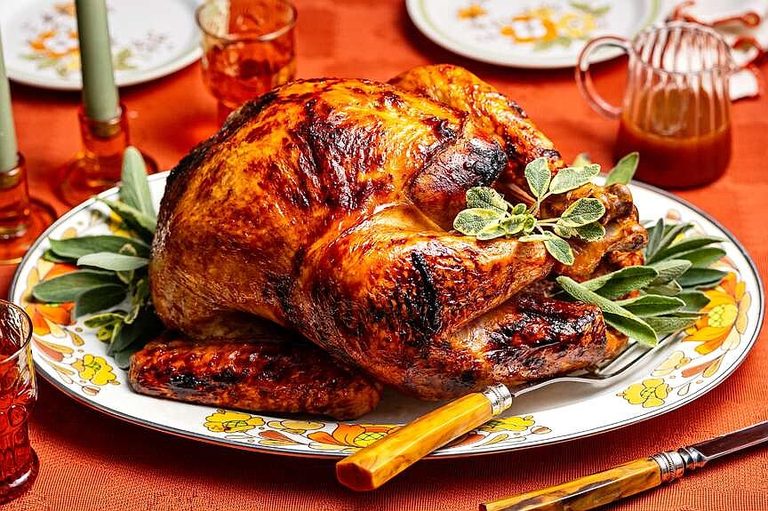
Thanksgiving is a time for family, faith, and a well‑roasted turkey. Whether you pick up a bird from the local farmers market, snag a sale at the grocery store, or order from your trusted butcher, the same simple techniques can help you serve a juicy, flavorful centerpiece that impresses every guest.
1. Dry the Turkey Thoroughly
Moisture is the enemy of crisp skin. Pat the turkey dry inside and out with plenty of paper towels, including the cavity. For best results, season the bird with salt up to three days before cooking and leave it uncovered in the refrigerator. The dry brine adds flavor while the fridge air removes excess moisture, tightening the skin for a golden, crackling finish.
2. Protect the White Meat
White meat dries out faster than dark meat. To keep the breast tender, tent it with a double layer of heavy‑duty aluminum foil during roasting. This slows the cooking of the breast so both white and dark meat finish at a similar time. Alternatively, consider spatchcocking the turkey—removing the backbone and flattening the bird—to promote even cooking.
3. Skip the Basting
Despite tradition, basting does little to moisten the meat and actually adds moisture to the skin, preventing it from crisping. It also cools the bird each time you open the oven, extending cook time and risking dryness. Trust the science and let the turkey roast undisturbed.
4. Use a Leave‑In Probe Thermometer
Overcooking is the most common cause of dry turkey. A reliable leave‑in probe thermometer alerts you when the bird reaches the target temperature without opening the oven. Insert the probe into the thickest part of the thigh, away from bone, and remove the turkey at 150°F. Let it rest with the probe in place until carry‑over heat brings the internal temperature to the safe 165°F.
5. Let the Turkey Rest Before Carving
After the roast, allow the bird to rest for 30 minutes to one hour (no more than two). Resting lets the juices redistribute and the internal pressure drop, resulting in moist slices. Avoid tenting with foil, which slows cooling; instead, use the time to turn the pan drippings into a rich gravy.
By following these five steps, you can confidently deliver a Thanksgiving turkey that honors tradition, satisfies family appetites, and reflects the care and hospitality that define our community gatherings.
Original reporting: Texarkana Gazette — read the source article.