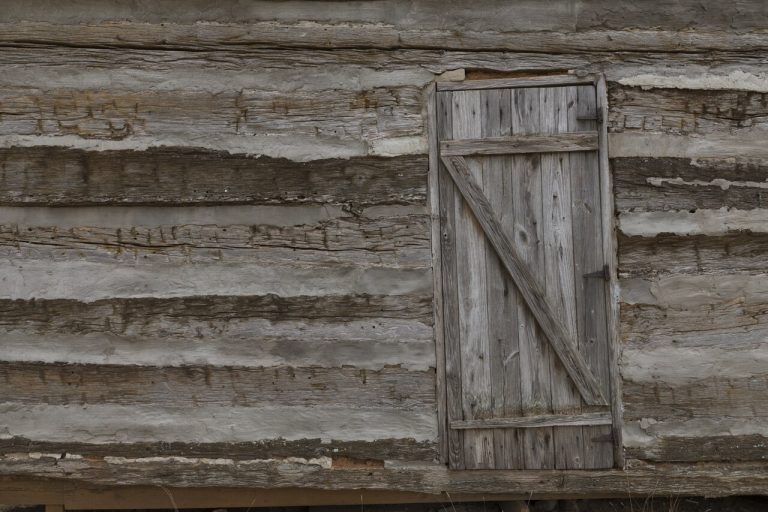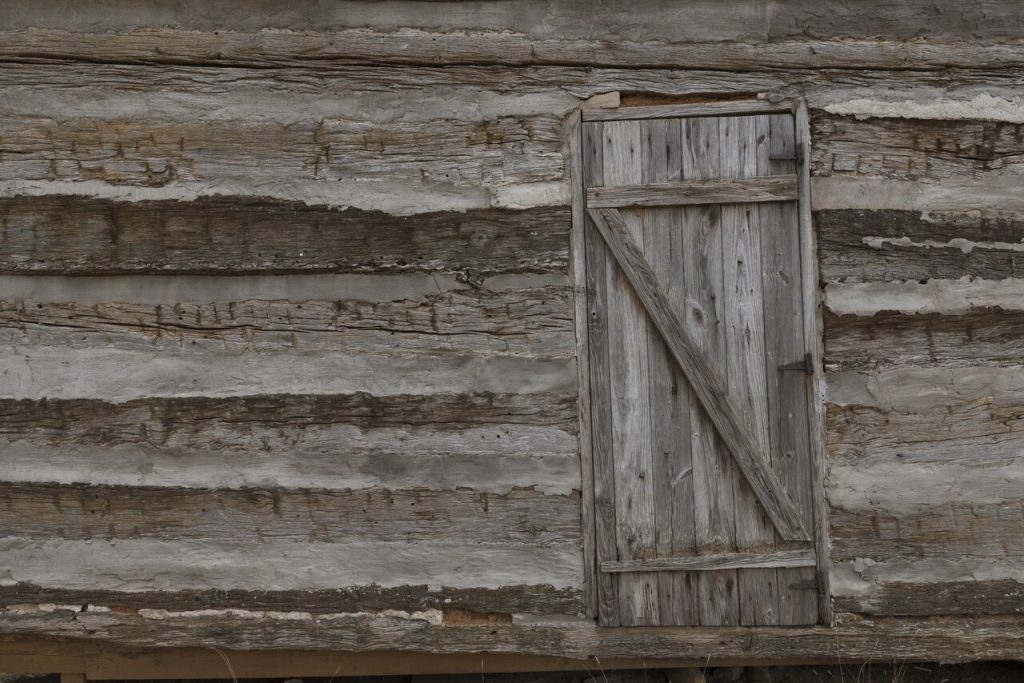
Frontier Village Museum sits on the western edge of Denison, a low-profile collection of restored pioneer-era buildings that most locals drive past without stopping. That’s their loss. The site preserves more than a dozen original structures — a log cabin, a one-room schoolhouse, a working blacksmith shop, a Victorian cottage — assembled from across Grayson County and arranged on several shaded acres that make for genuinely good wandering.
The place is operated by volunteers who actually know their material. On a weekday afternoon, a retired schoolteacher might be stationed inside the 1880s farmhouse explaining how families cooked, slept, and kept warm through North Texas winters. The detail isn’t sanitized for comfort — the beds were short because people were shorter, the kitchen was hot because the fireplace was the only option, and the outhouse out back is exactly what it looks like. That specificity is what separates Frontier Village from the kind of heritage site that hangs a few quilts on a wall and calls it done.
The blacksmith shop draws a crowd when demonstrations are running, usually on weekends during the spring and fall seasons. The forge runs hot, the anvil is loud, and the smith moves through the work without pausing to perform for onlookers — which makes it more interesting, not less. Kids cluster near the doorway. Adults hang back and watch. Everyone leaves a little quieter than they arrived.
Admission is modest — typically just a few dollars for adults, less for children — and the site is managed with that budget accordingly. The buildings are well-kept but not over-restored; there’s honest wear on the wood and real dust in the corners. That texture matters. A place like this reads as authentic precisely because it isn’t trying too hard to look authentic.
The grounds themselves reward slow movement. The trees are old and the layout is loose, so there’s no forced march from exhibit to exhibit. Visitors set their own pace, double back, linger in front of a building that catches their attention. In October, the site hosts a heritage fair with period crafts, food, and music that draws a solid regional crowd — but on an ordinary Saturday in March or November, the place belongs almost entirely to whoever shows up.
Frontier Village doesn’t compete with the bigger draws in the area. It isn’t trying to. What it offers is a few hours with the actual material culture of nineteenth-century Grayson County — the tools, the furniture, the structures people built by hand and lived inside. For anyone with patience and even passing curiosity about how this part of Texas came together, that’s a reasonable trade for an afternoon.