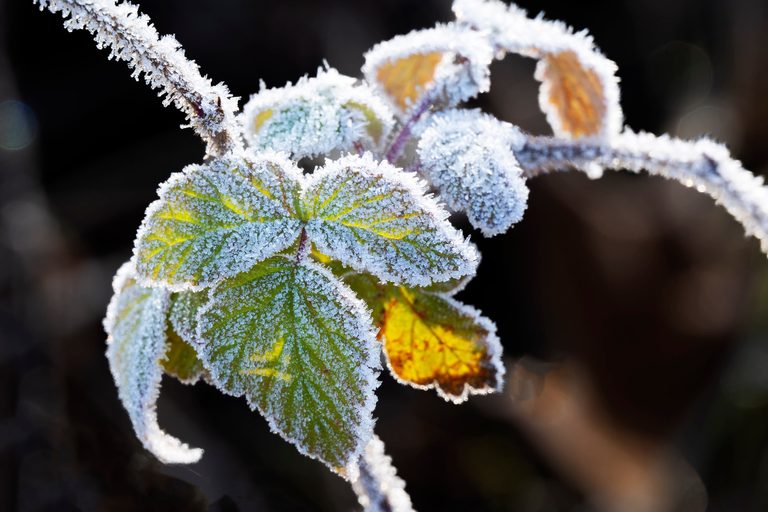
Toledo families who tend their gardens, walk their dogs early in the morning, or simply enjoy crisp autumn air should be aware of the city’s typical frost timeline. Historically, the first frost in Toledo falls around October 6, while the first hard freeze—when temperatures dip to the low 30s—usually occurs about a week later, near October 17.
How frost forms
Frost develops when the air a few feet above the ground cools to 36°F (2°C) or colder. The ground itself can become even colder because it radiates heat away on clear nights. When moisture in the air contacts this chilled surface, water vapor changes directly into ice crystals in a process called deposition, bypassing the liquid stage entirely.
Conditions that encourage frost
Several weather factors combine to create the perfect environment for frost:
- Clear skies – allow heat to escape into space.
- Light winds – keep the cold air settled near the surface.
- Moisture – both in the air and on the ground provide the water vapor needed for ice crystal formation.
- Low temperatures – overnight lows in the 30s are the key trigger.
When these elements line up, even a modest dip to the mid‑30s can produce a frosty morning, with the ground temperature dropping well below the measured air temperature.
2026 freeze timeline
According to local climatology, the first hard freeze this year arrived on November 14. That date ranks as the second‑latest first freeze on record for Toledo. The latest ever recorded first freeze was November 15, 1915. While the frost season began earlier in the year, the delayed hard freeze gives gardeners a few extra weeks to protect tender plants before the true cold sets in.
What the average season looks like
Beyond the first freeze, Toledo typically sees its last freeze in late April, with the final frost usually occurring in early May. These dates mark the transition to the growing season, when temperatures consistently stay above the frost threshold.
Practical tips for residents
Homeowners and gardeners can take simple steps to mitigate frost damage:
- Cover delicate plants with blankets or frost cloths on clear, calm nights.
- Water lawns and gardens in the early evening; moist soil releases heat more slowly.
- Park vehicles in garages or under cover to prevent ice buildup on windshields.
- Check local forecasts for clear‑sky, low‑temperature warnings and plan outdoor activities accordingly.
Understanding the science behind frost helps Toledo’s community stay prepared and protect both property and crops as the season shifts from autumn chill to winter cold.
Original reporting: 13abc WTVG Toledo (news) — read the source article.