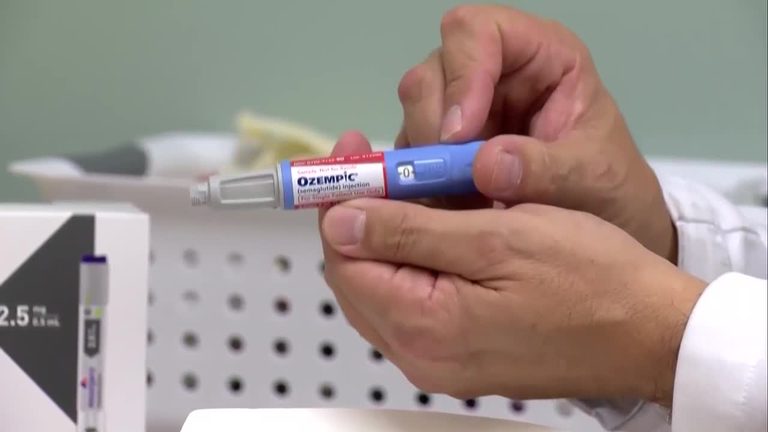
TOLEDO, Ohio – Physicians at St. Vincent Health and Mercy Health are responding to a new FDA warning about GLP‑1 medications, a class of drugs that have become widely prescribed for weight loss and type‑2 diabetes management. While the warning urges caution for certain patients, doctors stress that the medications still offer substantial health benefits when used under proper medical supervision.
What the warning says
The FDA alert highlights potential risks for individuals with a history of pancreatitis, severe gastrointestinal disorders, or certain heart conditions. It also advises clinicians to monitor patients for signs of gallbladder disease and to adjust dosages for older adults who may be more vulnerable to side effects.
Local medical community’s response
Dr. Emily Harris, an endocrinologist at St. Vincent Health, explained, “The warning is an important reminder that GLP‑1 drugs are powerful medications and should not be taken without a thorough evaluation. For many patients, especially those struggling with obesity and diabetes, these drugs can be life‑changing when prescribed responsibly.”
Similarly, Dr. Michael Patel of Mercy Health added, “We are seeing patients lose significant weight, improve blood‑sugar control, and reduce the need for multiple diabetes medications. The key is individualized care and close follow‑up.”
Recent research supports benefits
Recent studies published in leading medical journals have shown that GLP‑1 drugs can lead to an average weight loss of 10‑15 percent of body weight over a year, along with improvements in cardiovascular health markers. One multi‑center trial reported a 30 percent reduction in major adverse cardiac events among participants who achieved sustained weight loss with GLP‑1 therapy.
Age considerations
One question raised by the warning is how old is too old to start GLP‑1 therapy. Dr. Harris noted, “Chronological age alone should not be the deciding factor. We assess each patient’s overall health, kidney function, and ability to tolerate the medication. Many seniors in their seventies have successfully used GLP‑1s with careful monitoring.”
Guidance for Toledo residents
Local health officials recommend that anyone considering GLP‑1 medication schedule a comprehensive evaluation with their primary care provider or an endocrinologist. Patients should discuss their full medical history, current medications, and any prior gastrointestinal issues.
For those already on GLP‑1 therapy, the FDA advises continued use unless a healthcare professional recommends otherwise. Patients should report any new abdominal pain, persistent nausea, or unusual changes in digestion promptly.
Balancing risk and reward
While the warning underscores legitimate safety concerns, the consensus among Toledo’s medical experts is that the benefits of GLP‑1 drugs—when prescribed appropriately—outweigh the risks for many individuals battling obesity and diabetes. The emphasis remains on personalized treatment plans, regular monitoring, and open communication between patients and providers.
What’s next?
The FDA plans to continue reviewing post‑marketing data on GLP‑1 medications and may issue further guidance as new evidence emerges. In the meantime, Toledo’s healthcare community encourages residents to stay informed, ask questions, and work closely with their doctors to make the best decisions for their health.
Original reporting: 13abc WTVG Toledo (news) — read the source article.