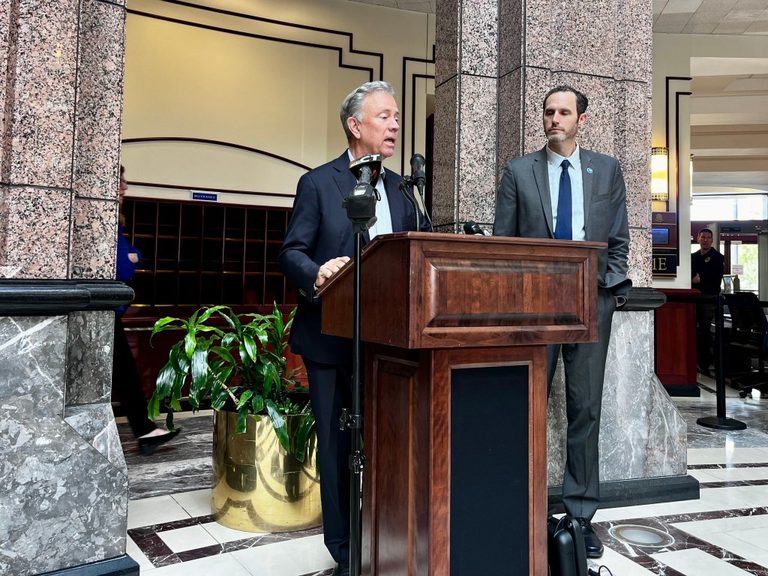
Connecticut’s fiscal outlook is brightening as the state’s budget office and the governor’s staff project an extra $1 billion in revenue over the next two‑year budget cycle. The boost comes primarily from capital‑gain earnings and investment income of affluent households, as well as payments from certain business partnerships that are not major corporations.
Surplus and spending options
According to the new consensus revenue forecast, the current fiscal year will see more than $750 million in additional receipts, pushing the projected surplus to $2.65 billion by June 30 – the second‑largest cushion in Connecticut history. With an annual budget that exceeds $28 billion, the extra $340 million expected for the next fiscal year and $690 million for 2028‑29 are modest but meaningful.
Lawmakers can choose to carry part of this year’s surplus into the next biennial budget, creating room for new spending initiatives and tax‑cut measures. Governor Lamont, a fiscal moderate, emphasized that the projections “reinforce the progress Connecticut has made” and expressed confidence that the state can continue building on its economic momentum.
Potential uses of the windfall
Democratic leaders in the legislature are already discussing how to allocate the surplus. Key proposals include:
- Expanding affordable childcare funding, building on the average $356 million invested over the past two years.
- Providing a one‑time $280 million boost to municipal aid, with a view toward making the assistance sustainable.
- Increasing the special response fund that offsets cuts to federal human‑services programs, though the current $263 million is expected to be exhausted within a year.
- Addressing special‑education costs by shifting billions from local districts to the state budget, a demand raised by a citizens’ assembly organized by the Connecticut Conference of Municipalities.
- Creating new income‑tax credits for families with children and for renters, as advocated by several policy coalitions.
Republican House Minority Leader Vincent J. Candelora, R‑North Branford, echoed the call for middle‑class tax relief, noting that “people ran on the notion of affordability” and urging the legislature to reduce income‑tax rates to ease the burden on residents.
Cautious optimism
While the revenue outlook is encouraging, officials warned against treating the projections as a free‑spending license. Office of Policy and Management Secretary Josh Wojcik said the estimates are subject to federal policy shifts and a volatile global economy, and should be viewed with care.
Analysts also expect steady growth in sales‑tax collections, the state’s second‑largest revenue source, forecasting a near‑3 percent annual increase that could bring sales‑tax receipts to about $5.9 billion by 2029.
What lies ahead
The key question now is whether the governor and the Democratic super‑majority will revise the spending caps that have limited outlays and generated large surpluses since 2017. If the caps are softened, Connecticut could see a wave of new investments in schools, local services and tax relief that align with the governor’s promise to support “good jobs, innovative companies and thriving communities.”
Stakeholders from municipalities, childcare providers, and low‑ and moderate‑income families will be watching the upcoming legislative sessions closely, as the state balances fiscal prudence with the desire to address affordability concerns across the Constitution‑guided Commonwealth.
Original reporting: The Connecticut Mirror — read the source article.