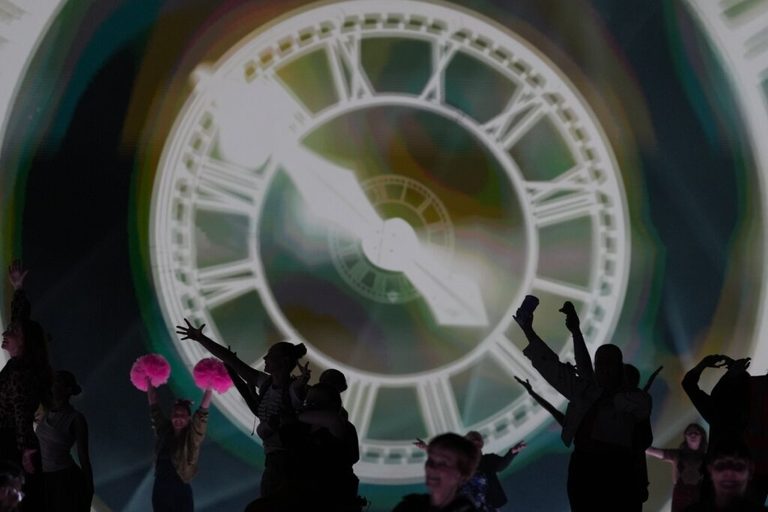
The concept of time has been a universal impulse to mark the shift of light and dark, the movement of the stars, and the rhythms of the tides. However, the methods different peoples and communities have used to track their lives have been impacted by culture, religion, economics, and technology.
Time Zones and Politics
Time zones themselves are about politics, with countries deciding their own and individual states in the U.S. deciding whether to observe Daylight Saving Time. China, for example, has one official time zone for the entire country, instituted as a form of national unity when the Communist Party took power in 1949.
Industrialization has also played a significant role in shaping our perception of time. With the introduction of clocks and schedules, people began to pay attention to the time and organize their daily lives around it. This shift from natural cues like the sun and seasons to a more rigid, clock-based system has had a profound impact on our society.
The Power of Time
Time has a lot of power, and people are battling over it to try and impose themselves on others or remove the yoke that has been imposed on them. Governments have used time to manage dissent and protest, instituting curfews or controlling the flow of information. On the other hand, protesters have used time to their advantage, engaging in slowdowns or strikes to bring attention to their cause.
Original reporting: Alexandria, VA News – WTOP News — read the source article.