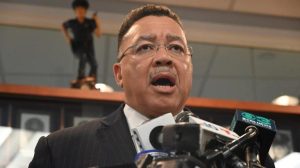
Wisconsin Republican candidate for governor Tom Tiffany has built a sizable war chest as the primary season heats up. According to a fact‑check brief from Wisconsin Watch, Tiffany’s campaign has collected $42 million since July 2025. Roughly $34 million – about 80% – of that total was contributed by the Republican Party of Wisconsin.
Who supplied the party’s money?
The party’s contributions were heavily backed by three prominent Wisconsin billionaires: Diane Hendricks, Richard Uihlein and Elizabeth Uihlein. Between July 2025 and September 2026 the Uihleins and Hendricks gave the party more than $40 million, accounting for the bulk of the $42 million the party raised in that period.
Direct candidate contributions
During the July‑September 2026 reporting window, Tiffany’s campaign received $26 million in total contributions. Of that amount, $24 million – 93% – came from the Republican Party of Wisconsin. The remaining $2 million originated from individual donors, each limited to a $20,000 contribution per campaign under federal election law.
Because individuals can give unlimited sums to a political party, which may then funnel unlimited money to a candidate, the structure of Tiffany’s fundraising complies with current campaign finance rules. The arrangement allows supporters who wish to give more than the individual cap to do so through the party apparatus.
What the numbers mean for the race
These figures illustrate a strong, organized backing for Tiffany within the state GOP. The concentration of funding from a small group of wealthy donors, channeled through the party, underscores the influence of established conservative benefactors in Wisconsin politics. For voters, the data provide transparency about where campaign money is coming from and how it is being allocated.
Critics sometimes argue that such donor concentration can skew a candidate’s priorities. However, the party’s public statements emphasize that the money is being used to promote a broadly conservative agenda that aligns with the values of Wisconsin’s traditional families and faith‑centered communities.
Context for Wisconsin voters
As the November 2026 gubernatorial election approaches, Wisconsin voters will hear a range of messages from all sides. Understanding the financial landscape helps constituents evaluate the motivations behind campaign messaging. Tiffany’s team has highlighted the fundraising success as evidence of a united Republican front ready to advance policies that support economic growth, protect religious liberty, and uphold parental rights.
For those interested in following the race, the Wisconsin Elections Commission will continue to post updated campaign finance reports, allowing the public to track contributions in real time.
Original reporting: Wisconsin Watch — read the source article.