Residents of Thousand Oaks are raising concerns about the proposed downtown development plan, questioning whether it aligns with the unique character of their city. The plan, which aims to create a central gathering place for community activities, has been in discussion for years. However, recent public hearings have highlighted a disconnect between the proposed design and the community’s expectations.
Community Concerns
The absence of a designated downtown was a deliberate choice by the city’s original planners in the late 1960s, who envisioned separate hubs for shopping and dining. This historical context is crucial as the city considers a new central destination. While many agree on the need for a vibrant downtown, the current proposal’s architecture and scale have sparked debate.
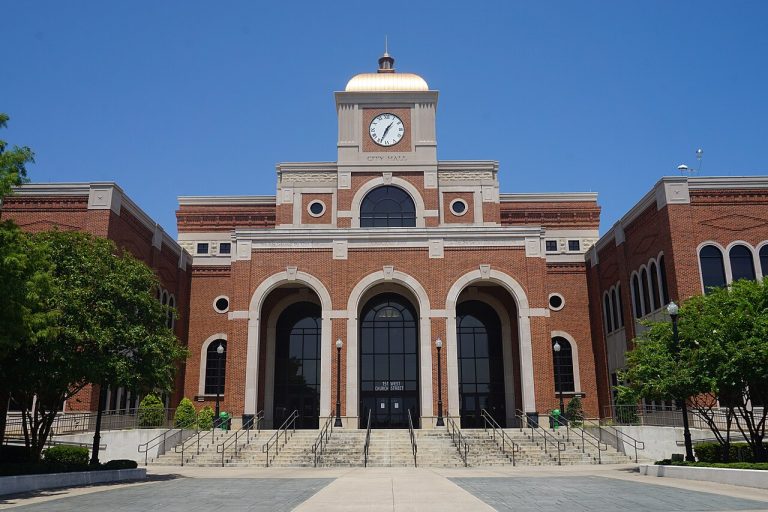
Critics argue that the proposed buildings, some as tall as seven stories, do not reflect the low-profile, open character that has historically defined Thousand Oaks. The architecture is seen as generic, lacking the distinctiveness that residents value. City staff have justified the building heights by pointing to existing taller structures, such as the Civic Arts Plaza. However, residents argue that these exceptions should not set a precedent for future developments.
Preserving City Character
The debate centers around maintaining the city’s identity while embracing necessary redevelopment. Residents are calling for a downtown that is lively and economically successful but also true to the community’s established character. The fear is that allowing taller buildings could lead to a gradual transformation that erodes the city’s unique identity.
As Thousand Oaks considers its future, the challenge will be to balance growth with preservation. The community’s voice is clear: development should enhance, not overshadow, the qualities that make Thousand Oaks special.
Original reporting: Thousand Oaks Acorn — read the source article.