As summer days stretch on, Americans are seeking out affordable and welcoming spaces to spend their time. This shift is driven in part by the growing awareness of the importance of social connection and community. The World Health Organization reports that loneliness contributes to over 870,000 fatalities annually, and an AARP survey found that 40% of American adults experience social isolation, regardless of age.
What are Third Places?
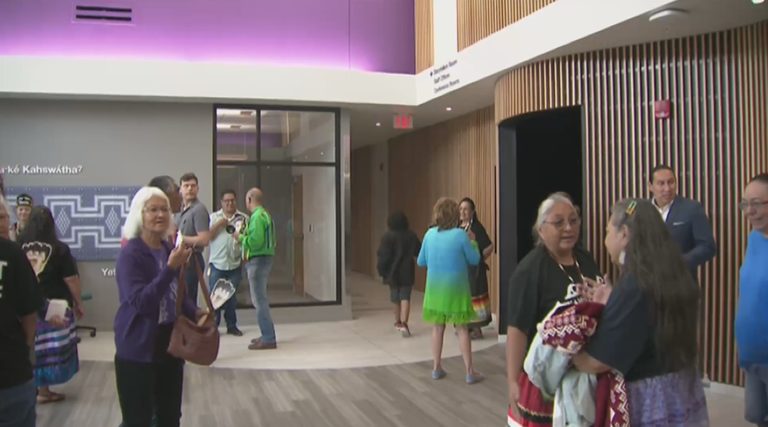
Third places, a term coined by sociologist Ray Oldenburg, refer to casual, accessible gathering spots outside of home and work where people can come together without obligation. These environments, which include libraries, parks, and community centers, offer a space for individuals to relax, socialize, and recharge.
Libraries, in particular, are evolving into modern versions of these shared spaces. Once seen primarily as quiet areas for borrowing books, many libraries now function as flexible environments where people can spend hours reading, working, or simply escaping the heat. Community centers and parks also provide similar appeal, offering accessible spaces with little to no expectation to spend money or move on quickly.
Accessibility and Community
The value of third places lies in their accessibility and ability to foster community. With the rising costs of dining out and traditional entertainment, these spaces fill a gap by providing a place to go without a significant financial burden. Researchers have noted that the loss of such gathering places contributes to weaker social ties and less community engagement.
As one individual, Jessica Haggard, noted, “I love a no-pressure space where we can just show up and figure it out together without a plan.” This sentiment reflects the appeal of third places, where people can connect and spend time together without the need for elaborate plans or significant financial investment.
A Shift in Summer Plans
This movement towards third places is also changing how people plan their summer days. Rather than focusing on big, structured events, individuals are opting for smaller, more flexible routines that allow for casual meetups and shared time. This shift prioritizes time over money spent, reflecting a desire for simpler, more meaningful connections.
As the demand for third places grows, questions arise about how these spaces will keep up with the increased usage. Libraries and community centers often operate with limited funding, and the pressure to maintain staffing, programming, and maintenance is a significant concern. Nonetheless, the rise of third places signals a positive shift towards valuing community, connection, and accessibility in our daily lives.
Original reporting: KTBS 3 (Shreveport) — read the source article.