Thanksgiving is a time for family, gratitude, and a bountiful spread of turkey, stuffing, green‑bean casserole, mashed potatoes, and other beloved dishes. While the holiday brings joy, it also presents a risk: mishandling food can lead to foodborne illness. Public‑health expert Sarah Velto of Northern Nevada Public Health shares practical steps to keep your Thanksgiving table safe.
Plan Ahead: Thawing and Preparation
One of the most common mistakes is leaving a turkey on the countertop to thaw. The outer layers warm quickly, creating an environment where bacteria can multiply—bacteria that may not be eliminated even after cooking. Velto recommends moving the turkey to the refrigerator several days before the holiday. This slow, controlled thaw keeps the entire bird at a safe temperature.
Maintain Clean Workspaces
Before you begin chopping, carving, or mixing, disinfect all food‑prep surfaces. After use, clean them again to prevent cross‑contamination, especially from raw turkey juices that can spread harmful microbes to other foods.
Cook to the Right Temperature
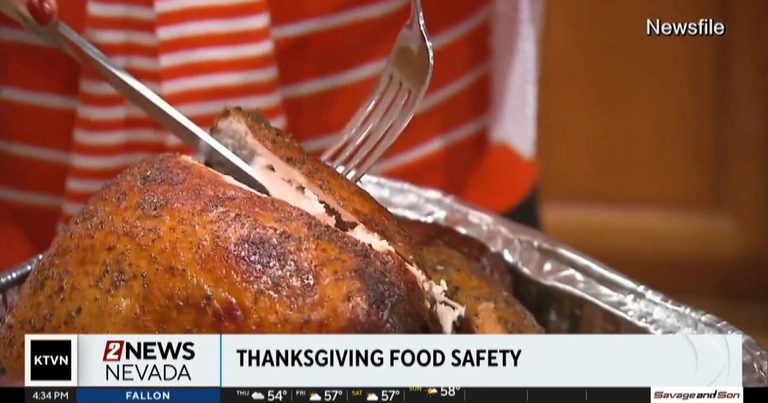
Cooking turkey to an internal temperature of 165°F (74°C) is essential. Use a reliable stem thermometer and check at least three different spots—especially the thickest part of the breast and the innermost thigh. Reaching this temperature ensures that any lingering bacteria are destroyed.
Keep Hot Foods Hot, Cold Foods Cold
Once dishes are cooked, they should not sit at room temperature for more than two hours. If you need to keep items warm, use chafing dishes, slow cookers, or an oven set to a low temperature. For cold items like salads, keep them chilled in the refrigerator or on ice until serving.
Safe Leftover Handling
After the feast, store leftovers promptly. Small, shallow containers allow food to cool quickly and evenly. Do not let leftovers sit on the countertop for an extended period. Pack them within two hours and refrigerate. Leftovers should be reheated to 165°F before serving, and they can be safely stored for up to seven days or frozen for longer preservation.
Recognize Signs of Food Poisoning
Even with careful preparation, illness can occur. Watch for vomiting, diarrhea, fever, sore throat, or jaundice. If symptoms become severe or the affected person cannot stay hydrated, seek medical attention promptly.
Final Thoughts
By following these straightforward guidelines—proper thawing, diligent sanitation, accurate cooking temperatures, and prompt refrigeration—you can enjoy a delicious Thanksgiving without compromising health. A safe holiday feast protects not only your family’s well‑being but also upholds the tradition of gathering together in good health.
Original reporting: 2news.com — read the source article.