Scientists with the Natural History Museum of Los Angeles County (NHMLAC) have reported an unprecedented surge of rare marine wildlife along Southern California’s coast, prompting a community‑science call‑to‑action for local beachgoers.
Rare sightings spark community effort
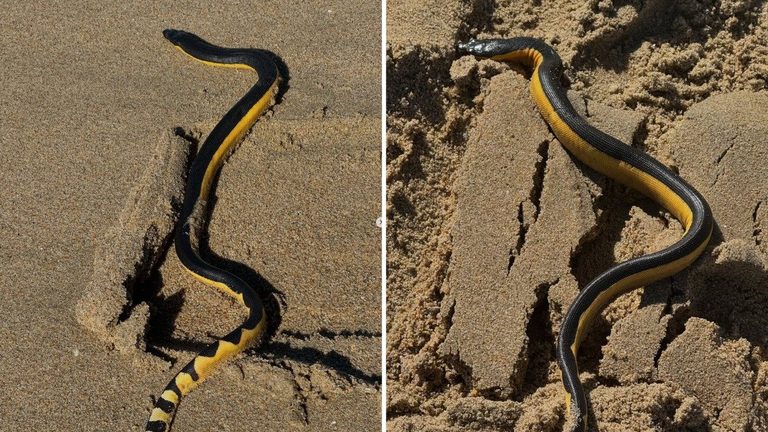
Last weekend the eighth yellow‑bellied sea snake ever recorded in Southern California washed ashore, a clear sign that the unusually warm El Niño waters are pulling these venomous reptiles northward. In addition, museum curators identified what appears to be the northernmost and earliest olive ridley sea turtle nesting site yet documented in the state. The nest was discovered on a Santa Barbara County beach and may pre‑date the previously recorded nesting events in Orange County from mid‑September.
“The best time to look for any of this stuff is at least an hour and a half after the high tide,” said Greg Pauly, NHMLAC’s Curator of Herpetology. He and colleagues from the U.S. Fish and Wildlife Service are asking anyone walking the shoreline to keep an eye out for sea‑turtle eggshell fragments, exposed eggs, or stranded yellow‑bellied sea snakes.
Why the animals are showing up
Warmer ocean temperatures associated with El Niño can draw yellow‑bellied sea snakes into currents that become too cold for them during the winter months. Scientists believe olive ridley sea turtles may be following similar warm‑water pathways as some of their traditional tropical nesting beaches become excessively hot.
Examination of salvaged eggs and embryos from the newly found nest suggests that some were only days from hatching, indicating that olive ridley eggs can potentially incubate successfully in California under the right environmental conditions.
How to help
The museum’s community‑science initiative, dubbed the “Fangsgiving and Hissmas Sea Snake and Sea Turtle Search,” encourages beachgoers to photograph any sightings from a safe distance—yellow‑bellied sea snakes are venomous and should not be handled—and to report them promptly.
Reports can be made to local lifeguards. If no lifeguard is on duty, callers can reach the NOAA California Sea Turtle Stranding Line at 562‑506‑4315 or submit sightings through the West Coast Sea Turtle Sightings Submission Form online.
Upcoming windows of activity
NHMLAC notes that high tides through Sunday increase the likelihood of sea snakes washing ashore or previously hidden turtle nests becoming visible. Additional windows of expected sea‑snake activity are Dec. 4‑11 and Dec. 20‑27, though onshore winds and storm surges can also bring snakes ashore at other times.
Beachgoers are reminded to stay safe by avoiding high‑tide areas, watching for sneaker waves, and obeying any coastal‑flooding closures posted by local authorities.
Community impact
This effort not only helps scientists track the shifting ranges of these species but also engages local residents in stewardship of their coastal environment. By reporting sightings, volunteers provide valuable data that can inform future conservation strategies and deepen public appreciation for the unique marine life that occasionally visits Southern California’s shores.
Original reporting: NBC4 Los Angeles — read the source article.