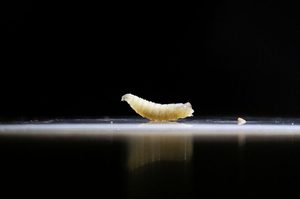
In Cotulla, Texas, ranchers like Susan Storey are expressing deep concerns over the recent confirmation of New World screwworm infestations, the first in the state since the 1970s. The U.S. Department of Agriculture (USDA) has confirmed two cases, sparking fears of significant economic impact and a threat to local wildlife.
Local Response and Concerns
Ranchers, recalling past outbreaks, are skeptical of the USDA’s response, which some deem slow and insufficient. Susan Storey, a lifelong rancher, emphasizes the importance of protecting her herd for future generations. The USDA has established a quarantine zone and increased surveillance, but many locals feel these measures fall short.
John Paul Schuster, a rancher and Kinney County judge, echoed these sentiments at a Texas Animal Health Commission briefing, highlighting the urgency for more robust action. Some ranchers are considering privately funding a sterile fly production plant to combat the outbreak, a method previously successful in eradicating screwworms in the U.S.
Challenges and Strategies
The USDA’s strategy includes releasing sterile flies and recommending daily inspections and preventive treatments. However, ranchers like DJ Rubio argue these recommendations are impractical due to labor shortages and vast ranch sizes. Despite these challenges, rancher Monty Martin praised the efforts of USDA and Texas Animal Health Commission teams on the ground.
Anthony Gallegos, another local rancher, remains vigilant, closely monitoring his cattle for signs of infestation. He shares the community’s concern about the potential widespread impact on their livelihoods.
Looking Ahead
As the USDA continues its efforts, the local community remains divided on the effectiveness of federal interventions. The situation underscores the importance of transparent communication and collaboration between government agencies and local stakeholders to safeguard Texas’s ranching industry.
Original reporting: Appleton, WI News Feed (HLL/CB) — read the source article.